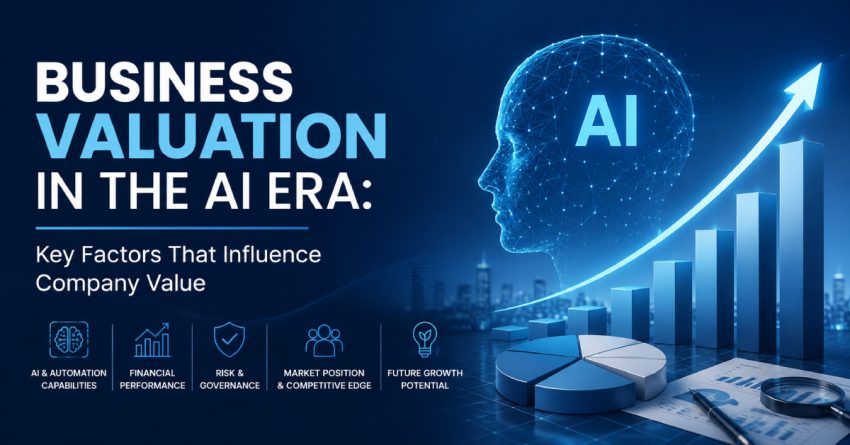
Artificial intelligence is transforming how businesses operate, compete, and create value. As organizations increasingly adopt AI-driven technologies, business valuation is no longer based solely on financial performance or tangible assets. Today, factors such as digital capabilities, data assets, innovation, and AI adoption also play a significant role in determining a company’s value. The firms that…
Author: CAC
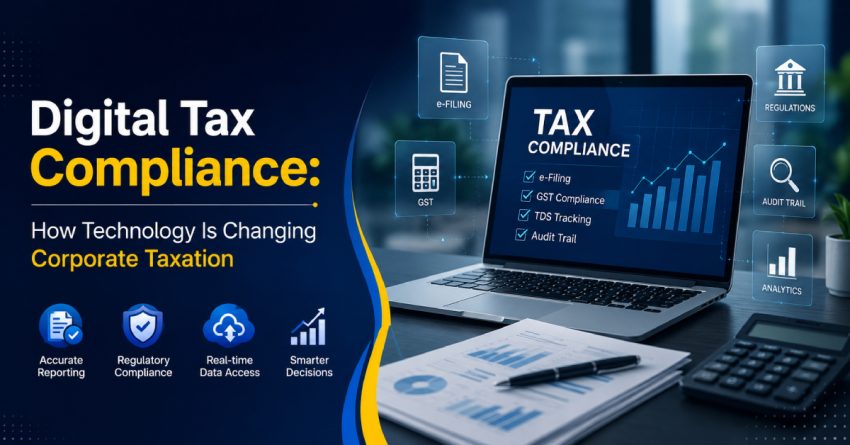
Digital Tax Compliance: How Technology Is Changing Corporate Taxation
With rapidly changing conditions in business, digitalization has moved from operational processes and customer support services to finance management and taxation. Digital taxation is being adopted by governments around the world to increase transparency, minimize tax evasion, and make the process easier for citizens. In India, firms have adjusted themselves to new technologies, automation, and…
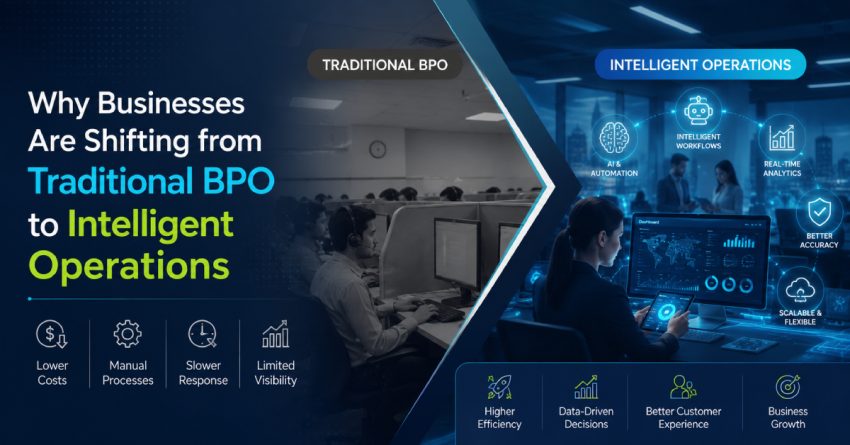
Why Businesses Are Shifting from Traditional BPO to Intelligent Operations
As businesses accelerate their digital transformation efforts, traditional outsourcing models are no longer enough to meet growing demands for speed, efficiency, and customer experience. Intelligent operations—powered by AI, automation, analytics, and cloud technologies—are helping organizations optimize processes and drive sustainable business growth. Thus, many enterprises are switching from traditional business process outsourcing services to more agile…
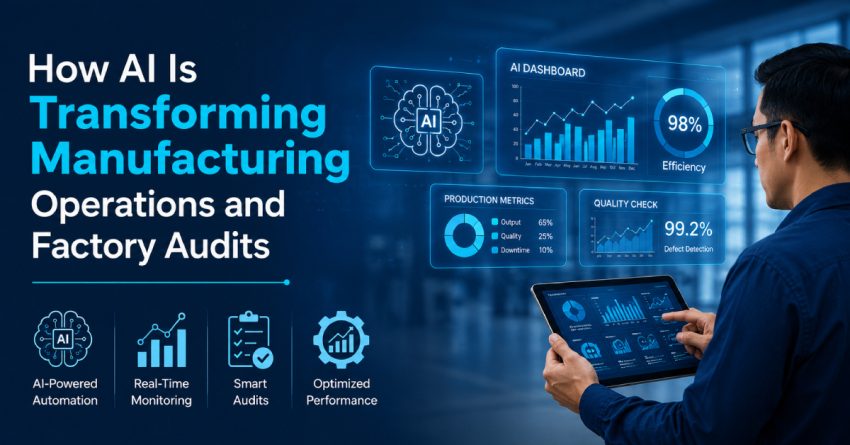
How AI Is Transforming Manufacturing Operations and Factory Audits
Artificial intelligence (AI) is transforming manufacturing by improving production efficiency, enhancing quality control, and enabling smarter factory audits through data-driven automation. Predictive maintenance, automatic quality inspection, and intelligent plant audit are some of the advantages which artificial intelligence is providing to manufacturers in terms of making their operations more efficient. In a highly competitive environment,…
How ESG and Technology Together Are Shaping Sustainable Businesses
Organizations need not only to ensure profitability but also to be socially responsible today. Customers, investors, employees, and government bodies value environmentally responsible, ethically governed, and socially impactful companies more today. Thus, the development and adoption of Environmental, Social, and Governance (ESG) principles are a key component of business strategy. At the same time, modern…
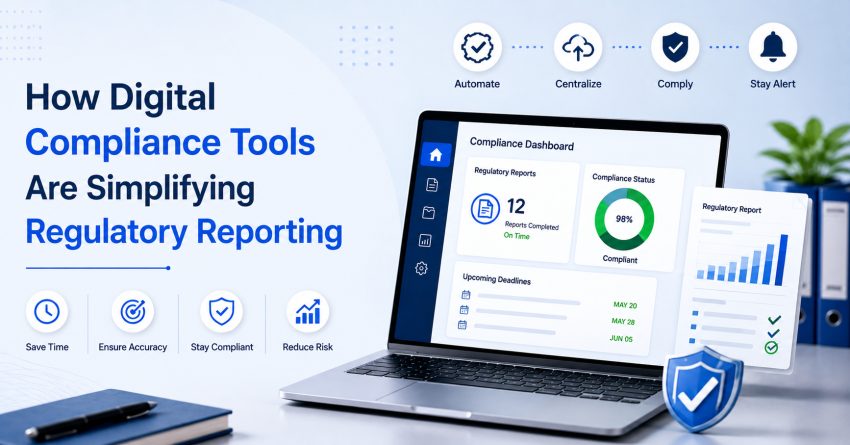
How Digital Compliance Tools Are Simplifying Regulatory Reporting
Regulatory reporting is becoming increasingly complex as businesses face evolving compliance requirements across industries. Manual reporting processes can lead to errors, delays, and compliance risks. Digital compliance tools simplify these challenges by automating reporting, improving accuracy, and helping businesses stay compliant with changing regulations. The Challenges of Traditional Regulatory Reporting It is common practice in…
Role of Advisory Services in Market Entry Strategies
For any company with an aim to operate within a new market, they must pace forward. Market entry is an important step that will help whether it is a new venture looking for market expansion or an already existing company wishing to enter the market to create growth. For any business to succeed in their…
What Turns Startups into Successful IPO Companies?
The Indian Startup Ecosystem has grown leaps and bounds in the last decade. There have been several start-ups that have grown and attracted investors’ attention from fintech, e-tech, healthcare to e-commerce. But only a few eventually make a name for themselves as the best IPO companies in the market. An IPO isn’t all about money….
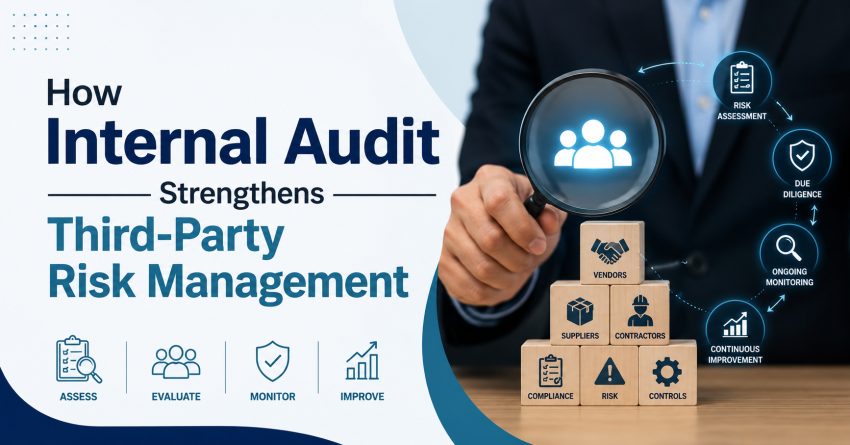
How Internal Audit Strengthens Third-Party Risk Management
Given the ever-connected nature of business, more organizations are depending on third parties like vendors, suppliers, contractors, consultants and service providers to help them function. Although these relationships can lead to greater efficiency and lower costs, they can also present a variety of risks that could affect business operations, compliance, and reputation. Effectively managing these…
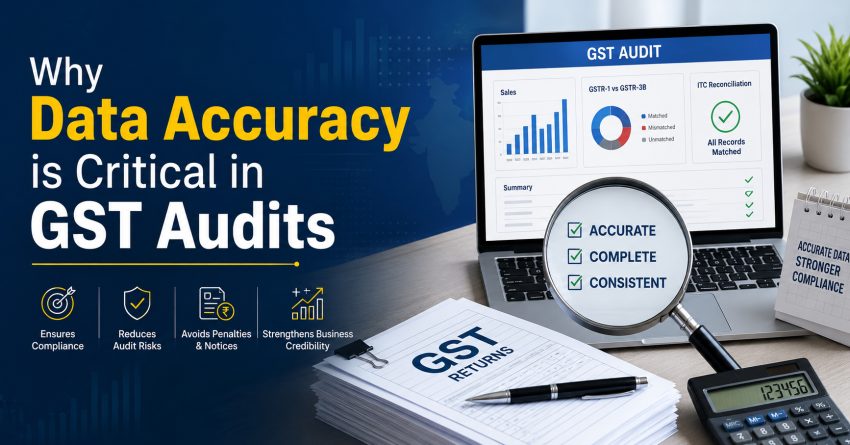
Why Data Accuracy is Critical in GST Audits
Compliance with Goods and Services Tax (GST) is now a very important task for every business, irrespective of their size. Proper tax reporting serves as a tool for compliance and prevention of penalties, tax disputes, and financial risks for organizations. The key to a successful GST audit is the accuracy of financial and tax information….