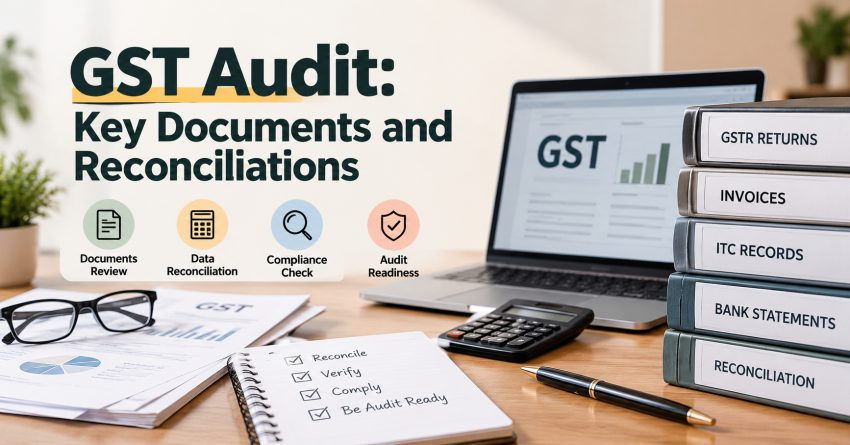
A GST departmental audit examines whether a registered person has correctly reported turnover, paid tax, claimed input tax credit and complied with applicable GST requirements. It can cover returns, books, invoices, e-way bills, e-invoices, refunds, branch transactions and supporting records. A business may receive an audit notice even after filing every return. Filing confirms submission,…
Category: GST Advisory and Compliance
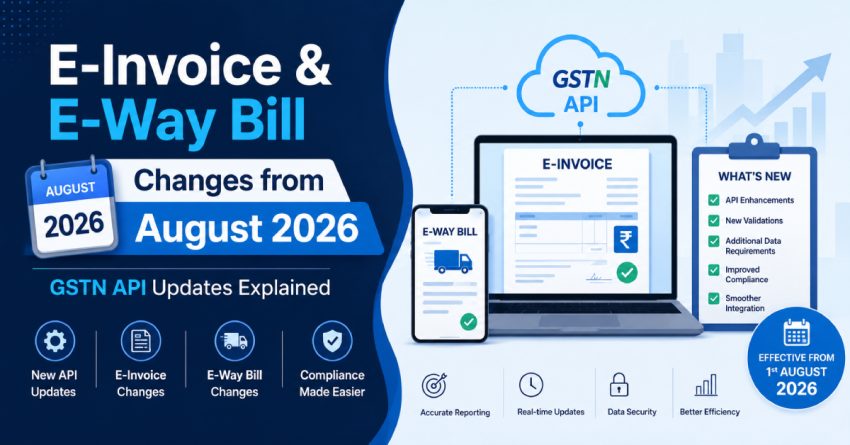
E-Invoice & E-Way Bill Changes from August 2026: GSTN API Updates Explained
Introduction Effective 1 August 2026, the Goods and Services Tax Network (GSTN) has introduced important updates to its e-Invoice and e-Way Bill APIs. These changes are designed to improve data accuracy, strengthen invoice traceability, and enhance consistency between e-Invoices and e-Way Bills. Businesses using ERP systems, accounting software, or GST Suvidha Providers (GSPs) should understand…
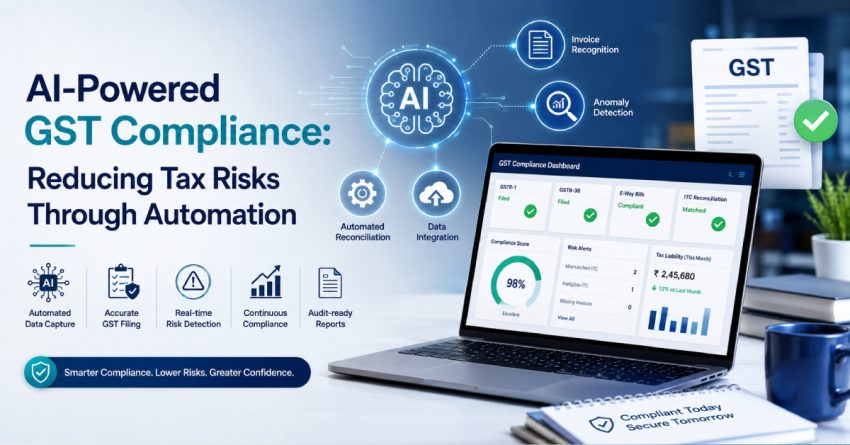
AI-Powered GST Compliance: Reducing Tax Risks Through Automation
Introduction Businesses are now operating in a world characterized by changing tax laws. The manual management of Goods and Services Tax (GST) is time-consuming and error-prone in the case of large organizations that have many transactions. AI technology is revolutionizing the way businesses manage GST compliance by identifying data inconsistencies, reducing manual effort, and saving…
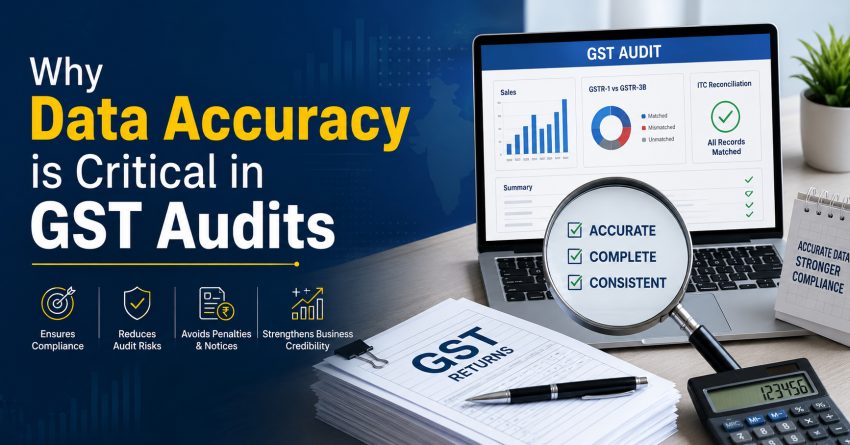
Why Data Accuracy is Critical in GST Audits
Compliance with Goods and Services Tax (GST) is now a very important task for every business, irrespective of their size. Proper tax reporting serves as a tool for compliance and prevention of penalties, tax disputes, and financial risks for organizations. The key to a successful GST audit is the accuracy of financial and tax information….