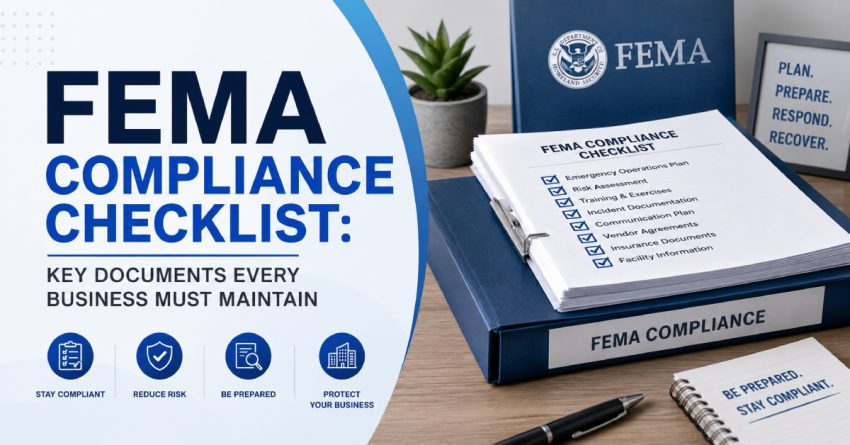
Cross-border transactions have become common practice in many firms in the modern global economy. Nonetheless, such transactions need to conform to the provisions of the Foreign Exchange Management Act, which regulates foreign exchange transactions in India. Documentation is an important tool that helps achieve compliance and ensures that penalties are avoided.
Understanding the Importance of Documentation
To comply with the provisions of the Foreign Exchange Management Act, firms must maintain records of their foreign exchange transactions in a timely manner. Documentation proves that the transactions undertaken are legal and authorized.
Key Documents Required for Compliance
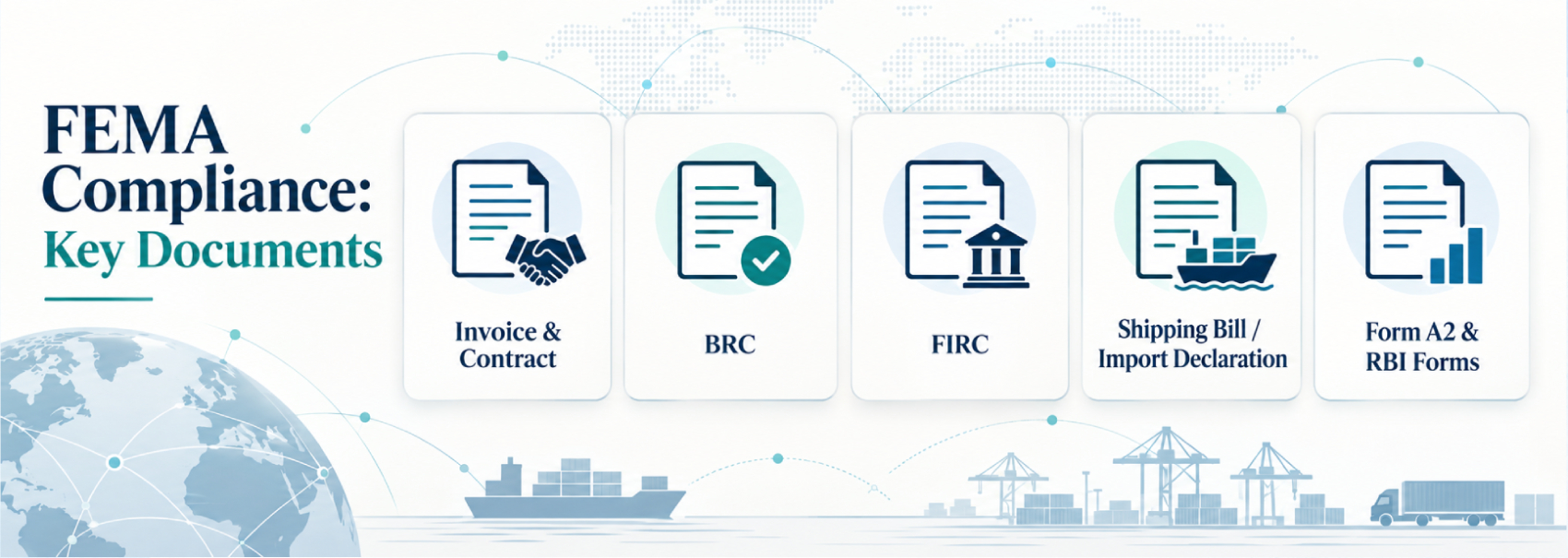
In order to comply with the Foreign Exchange Management Act, there are a number of key documents that companies need to keep. These include:
- Invoice and Contract Agreements: To document the details of the transaction, including terms of payment.
- Bank Realization Certificates (BRCs): To document the receipt of payments in foreign currencies.
- Foreign Inward Remittance Certificates (FIRC): This certificate is issued by banks.
- Shipping Bills and Import Declarations: These are required in export/import transactions.
- Form A2and Other RBI Forms: These are the forms that companies need to fill out and submit to authorized dealers or banks.
Keeping these documents organized and accessible ensures smooth audits and regulatory reviews.
Maintaining Accuracy and Consistency
Consistency is one of the most important considerations while ensuring compliance with the Foreign Exchange Management Act. All the information provided in the documents submitted must be consistent, and any slight difference can cause problems for the organization.
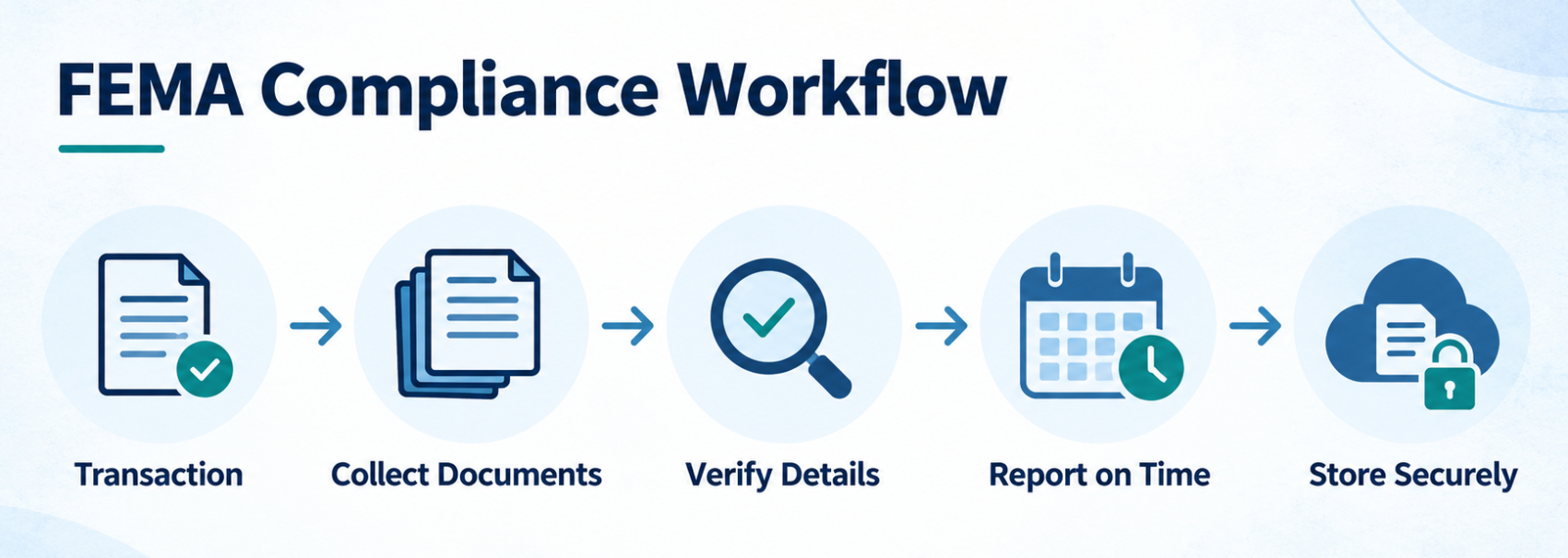
Using digital technologies and automating the processes would be helpful to achieve consistency. Organizations can use their IT systems to check whether there are inconsistencies in the data collected in different documents.
Timely Submission and Reporting
Another important aspect to be considered while complying with the Foreign Exchange Management Act is timeliness. Many activities under the act need to be reported in a timely manner as per the RBI rules. Delayed reporting would mean that the organization needs to incur more costs.
Organizations should maintain a compliance calendar and make sure all their activities are carried out as per schedule. They may also communicate with banks to receive the required certificates on time.
Leveraging Technology for Better Compliance
With today’s technological advances, modern firms can use a number of tools that will ensure the efficient management of documents. The cloud services enable users to store, access, and manage documents in a secure way, thus providing additional support during inspections by ensuring adequate audit trails.
Automation can also be used to manage routine processes like data entry, validation, and reporting, thus contributing to the achievement of compliance and relieving one from administrative responsibilities.
Conclusion
Proper documentation is the key to successful foreign exchange transaction management, as through proper documentation, companies can comply with the Foreign Exchange Management Act and conduct their activities effectively. It should be acknowledged that proper processes and technologies can facilitate this process significantly.
FAQs
Q1: What is the Foreign Exchange Management Act (FEMA) and why is documentation important for compliance?
FEMA is the Indian law that regulates foreign exchange transactions. Documentation is critical because it serves as proof that transactions are legal and authorized, helping companies avoid penalties during audits and regulatory reviews.
Q2: What are the key documents required for FEMA compliance?
Companies must maintain: Invoice and Contract Agreements, Bank Realization Certificates (BRCs), Foreign Inward Remittance Certificates (FIRCs), Shipping Bills and Import Declarations, and Form A2 along with other RBI-prescribed forms. These documents should be properly organized and easily accessible.
Q3: How can businesses ensure accuracy and consistency in FEMA documentation?
Businesses should use digital tools and automated IT systems to cross-check data across documents, as even minor inconsistencies can create compliance issues.
Q4: What is a Bank Realization Certificate (BRC) and when is it needed?
A BRC is a document issued by a bank to confirm receipt of foreign currency payments. It is required for FEMA compliance in export transactions.
Q5: What is a Foreign Inward Remittance Certificate (FIRC)?
A FIRC is a certificate issued by a bank confirming that a payment has been received in India from abroad. It is an important document for businesses receiving foreign remittances.
Also Read: FEMA Compliance in India: What Businesses Need to Know