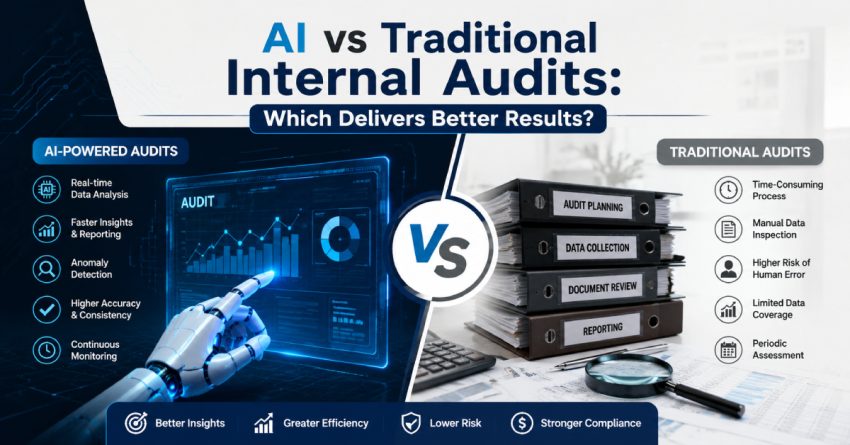
Introduction In today’s world of business, companies work in a more complicated environment of regulations, and hence, risk identification, compliance management, and operational efficiency become very crucial factors. In such cases, internal audit services play a pivotal role in meeting these goals. With the rise of artificial intelligence (AI), there has been a change in the…
Category: Internal Audit
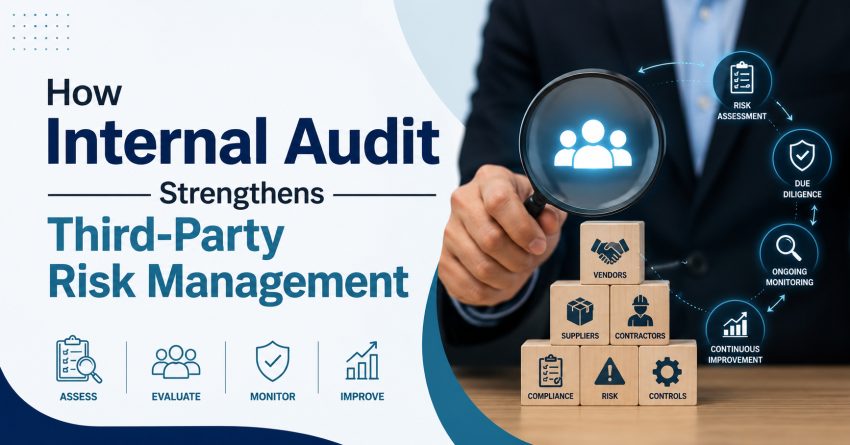
How Internal Audit Strengthens Third-Party Risk Management
Given the ever-connected nature of business, more organizations are depending on third parties like vendors, suppliers, contractors, consultants and service providers to help them function. Although these relationships can lead to greater efficiency and lower costs, they can also present a variety of risks that could affect business operations, compliance, and reputation. Effectively managing these…
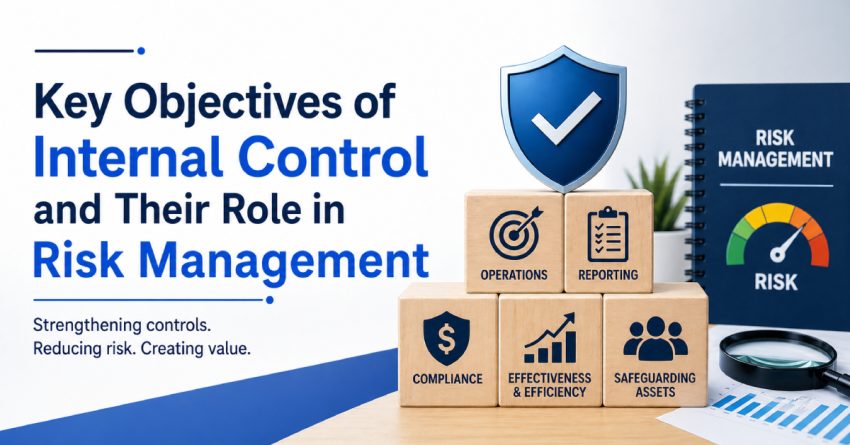
Key Objectives of Internal Control and Their Role in Risk Management
In an increasingly dynamic business world, there is a broad spectrum of risks to which organizations are subjected: financial risks and operational risks. Companies must use strong internal control systems to overcome these challenges. The purpose of internal control is crucial to the development of a robust foundation that will help manage risk and achieve…
Internal Audit Applicability for Businesses Handling Sensitive Data
More information about individuals is being gathered by businesses than ever before. From hospitals that have patient records uphold patient data to ed-tech sites that store student data and other telecommunication companies manage identity information; sensitive data has become a fundamental element of daily operations. Due to this reason, companies that deal in the said…
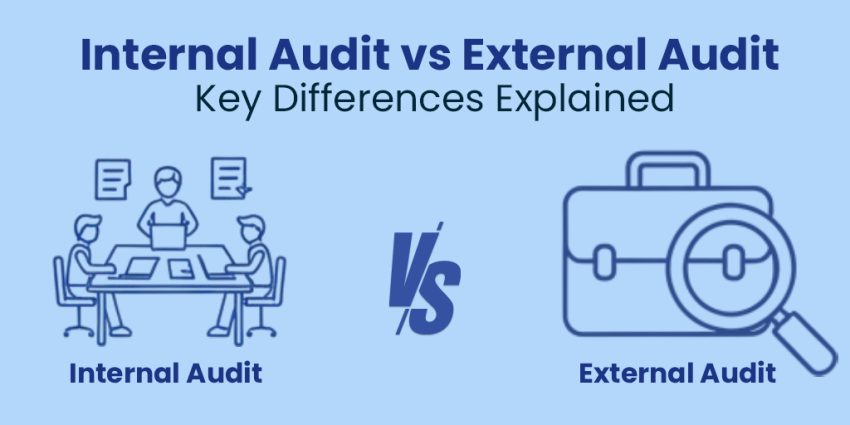
Internal Audit vs External Audit: Key Differences Explained
Auditing is one of the most important functions in maintaining transparency, accountability, and efficiency within any organization. It ensures that financial statements are accurate, internal processes are effective, and compliance standards are met. However, not all audits are the same. Two primary types—internal audit and external audit—serve different purposes, even though both aim to strengthen…
Internal Audit in Manufacturing: Enhancing Quality and Control
The manufacturing sector is a complicated business where efficiency, quality and compliance are highly important factors in general success. To stay competitive and excel at their operations, it is important that companies constantly keep an eye on the processes and determine places to make the process better. Internal audit in manufacturing is a crucial role…
Internal Audit Automation: The Cost-Saving Game-Changer
Internal audits are very critical in the current dynamic business environment to enhance accuracy, compliance and efficiency of various operations. The traditional process, however, tends to be time consuming manual checks, repetition of data entry and higher possibility of human error. It is here that automation in internal audits has become a game-changer- cost reduction…
Top Compliance Challenges in Internal Audit Standards in India
Internal auditing is an important activity that promotes transparency, accountability and effective management of risks in organizations. Nonetheless, keeping up with audit requirements is not an easy task anymore, especially since the process of business activities is becoming more sophisticated, and the demands of the regulations are growing. Compliance with internal audit standards in India…
The New Era of Internal Audit Companies: AI, Automation & Predictive Insights
The internal audit landscape is undergoing a significant transformation, driven by digital innovation and data intelligence. Traditional auditing methods—once reliant on manual verification, sampling, and retrospective analysis—are rapidly being replaced by advanced technologies such as Artificial Intelligence (AI), Automation, and Predictive Analytics. These technologies are not just enhancing efficiency; they are redefining how internal audit…
Internal Audit ROI: How to Measure Value
When companies consider the topic of Return on Investment (ROI), they tend to associate it with such revenue-generating processes as sales, marketing, or product development. Non-revenue functions, however, such as internal audit can also pay off. Internal audit can and should be measured to prove its usefulness to the stakeholders and leadership. Enough said, let…