In an increasingly dynamic business world, there is a broad spectrum of risks to which organizations are subjected: financial risks and operational risks. Companies must use strong internal control systems to overcome these challenges. The purpose of internal control is crucial to the development of a robust foundation that will help manage risk and achieve success in the long run.
What Are Internal Controls?
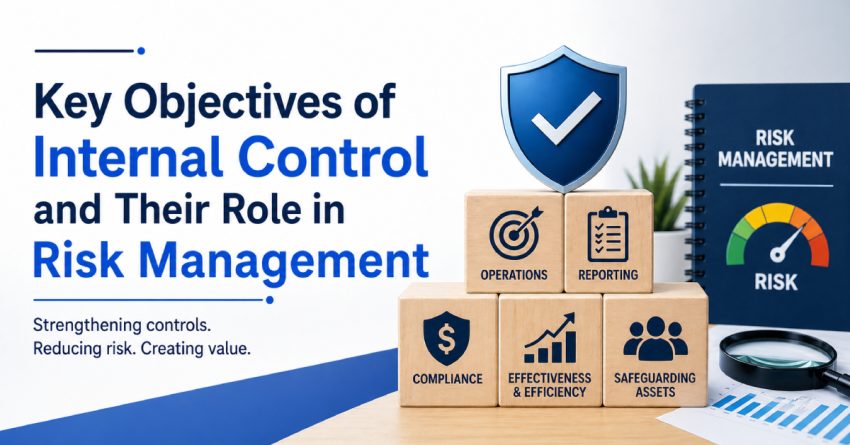
Internal controls refer to the processes, policies and procedures by an organization that is aimed at maintaining the integrity of both financial and operating activities. These controls are meant to protect assets, avert fraud and to ensure that the laws and regulations are complied with. The aims of internal control are guiding principles that enable organizations to put in place effective systems to deal with risks.
Key Objectives of Internal Control
There are several important objectives of internal control that businesses must focus on:
Safeguarding Assets
One of the primary goals is to protect company assets from theft, misuse, or loss. Proper controls ensure that resources are used efficiently and only for authorized purposes.
Ensuring Accuracy and Reliability of Financial Information
Accurate financial reporting is critical for decision-making. Internal controls help maintain the integrity of financial data by minimizing errors and preventing manipulation.
Enhancing Operational Efficiency
Internal controls streamline processes and reduce inefficiencies. By clearly defining roles and responsibilities, organizations can improve productivity and avoid duplication of work.
Ensuring Compliance with Laws and Regulations
Adhering to legal and regulatory requirements is essential for avoiding penalties and maintaining credibility. Internal controls ensure that all activities align with applicable laws.
Preventing and Detecting Fraud
Fraud prevention is a key concern for any organization. Effective controls create checks and balances that make it difficult for fraudulent activities to go unnoticed.
Role in Risk Management
Internal control objectives are very important in risk management by identifying, measuring and reducing potential risks. The internal control system should be designed in such a way that the businesses can identify problems at an early stage and undertake corrective measures before they get out of control.
As an example, financial controls can detect inconsistencies in an account where operational controls can be used to detect inefficiency or failure in a process. Such a proactive strategy assists the organization in minimizing the uncertainties and keeping it steady.
Additionally, internal controls encourage a risk-sensitive culture in the organization. The employees are made more aware of compliance and accountability, and this further enhances the entire risk management structure.
Challenges in Achieving Internal Control Objectives
Although they are important, the objectives of internal control may be difficult to attain. The swift alterations in the business environment, the changing regulations and technological changes demand that organizations upgrade their control systems.
Furthermore, smaller enterprises might have limitations in resources, and it can become challenging to institute all-encompassing controls. Nevertheless, the use of technology and expert advice can be used to overcome these obstacles.
Conclusion
To conclude, the objectives of internal control play a leading role in the management of risks as well as organizational success. Internal controls assist businesses to operate confidently by protecting assets, ensuring proper reporting, improving efficiency, and fostering compliance. Businesses that focus on good internal control mechanisms are in a better position to cope with risks, develop trust, and gain sustainable growth amid the ever-competitive business environment.