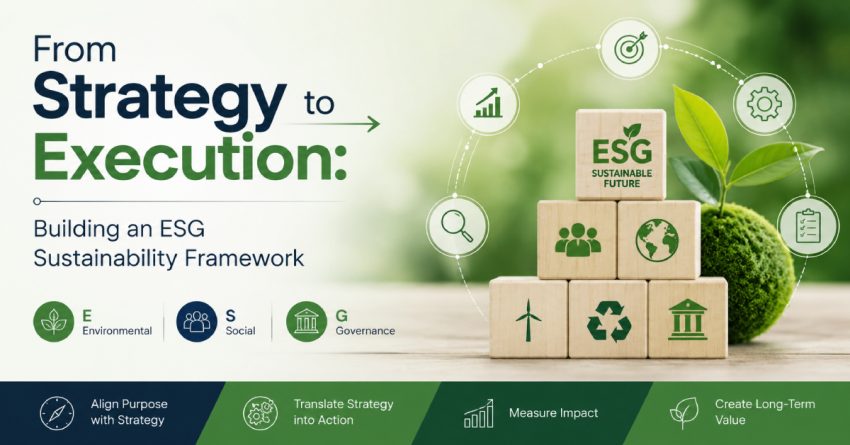
In today’s business environment, companies do not have a sole agenda for registering profits but also to act responsibly toward people and nature. ESG sustainability is one of the well-formulated strategies that provide guidance on how to make efforts in this direction, linking daily work with long-term values. Getting there takes effort – it won’t…
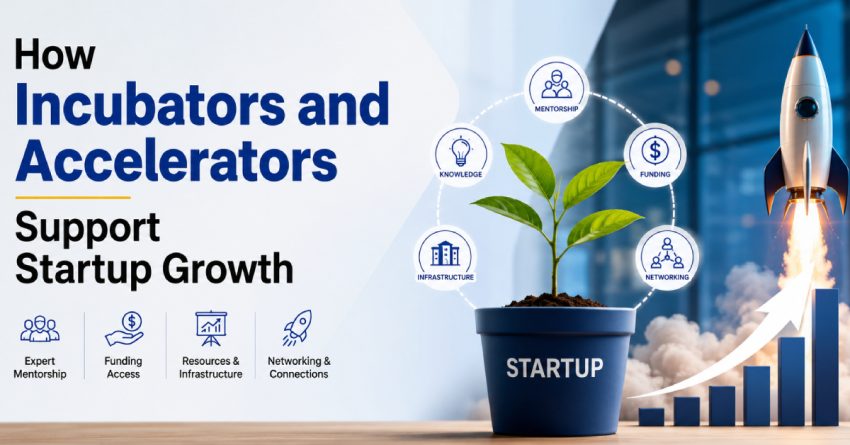
How Incubators and Accelerators Support Startup Growth
Starting a new business is packed with challenges; bet it limited funding to lack of market experience, the founders are often seen caught in a spot of bother. Hence, the significance of support becomes imperative, especially in the early stages. By and large, the most crucial of the assistances are the incubators and accelerators as…
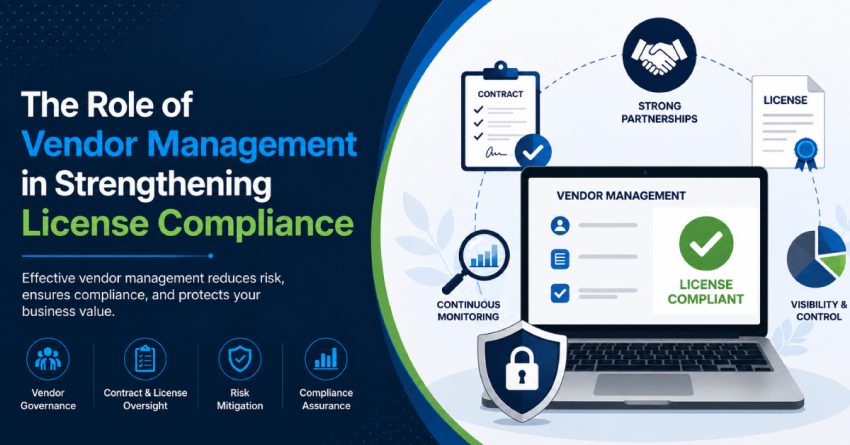
The Role of Vendor Management in Strengthening License Compliance
In today’s technology-driven business environment, organizations rely heavily on third-party vendors for software, tools, and digital services. While these partnerships enable efficiency and scalability, they also introduce compliance responsibilities that cannot be overlooked. This is where vendor management plays a critical role in ensuring effective License Compliance Management across the organization. Understanding Vendor Management in…
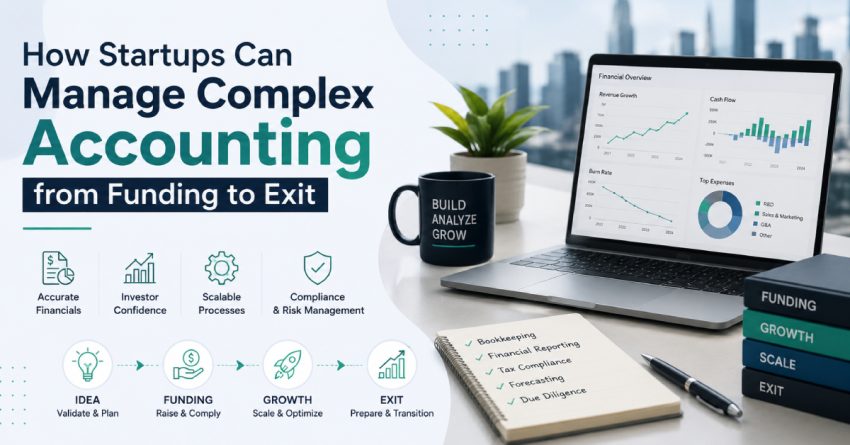
How Startups Can Manage Complex Accounting from Funding to Exit
Startups operate in a fast-paced, high-growth environment where financial decisions evolve rapidly. Innovation and scalability are usually the key considerations, but accurate management of finances is also essential. Startups, starting with how they raise capital up to how they plan their exit, have a number of Complex Accounting Issues that they must pay close attention…
The Role of Artificial Intelligence in Advancing ESG Sustainability Goals
Due to the mounting pressure on businesses to act in a responsible manner, there has been a rise in the significance of ESG Sustainability. The principles of Environmental, Social, and Governance (ESG) have ceased to be optional and become a key to long-term success and trust of stakeholders. With this changing environment, Artificial Intelligence (AI)…
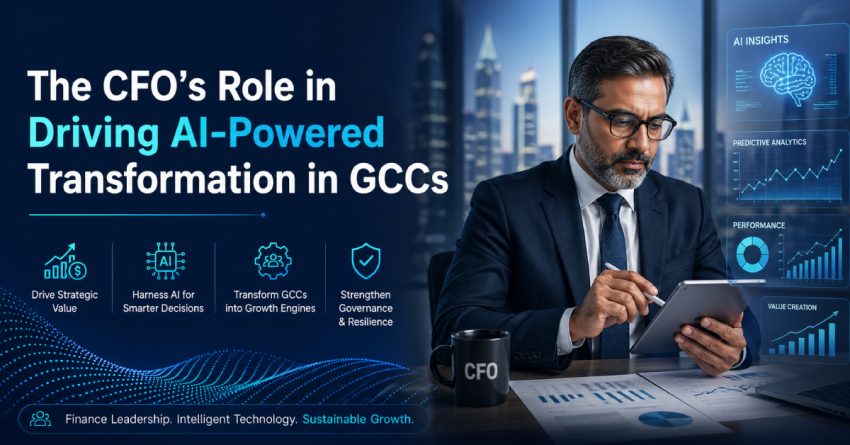
The CFO’s Role in Driving AI-Powered Transformation in GCCs
Global Capability Centres (GCCs) are increasingly becoming useful in finance, analytics, risk management and enterprise decision support. With the onset of artificial intelligence being integrated into the fundamental business operations, the Chief Financial Officer (CFO) has become one of the primary sponsors of AI-driven change in GCCs. The presence of the CFO will make AI…
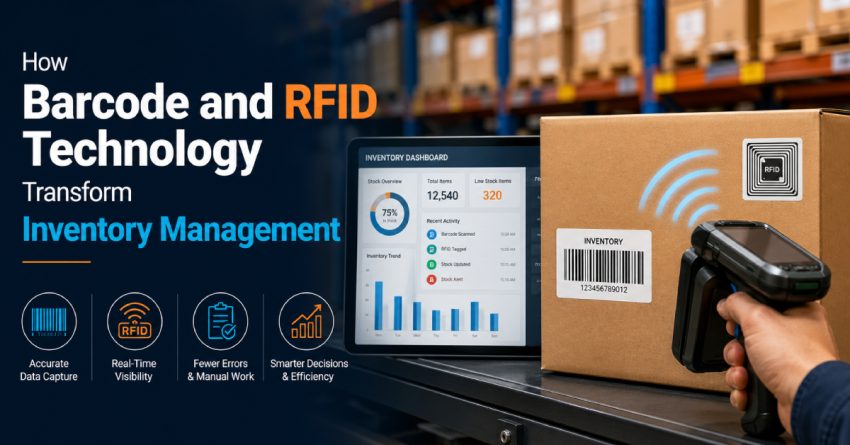
How Barcode and RFID Technology Transform Inventory Management
Efficient tracking and control of stock are essential for any business dealing with physical goods. As operations grow more complex, traditional manual methods become less reliable and prone to errors. This is where barcode and RFID (Radio Frequency Identification) technologies play a transformative role in Inventory Management, helping businesses streamline processes, reduce inaccuracies, and improve…
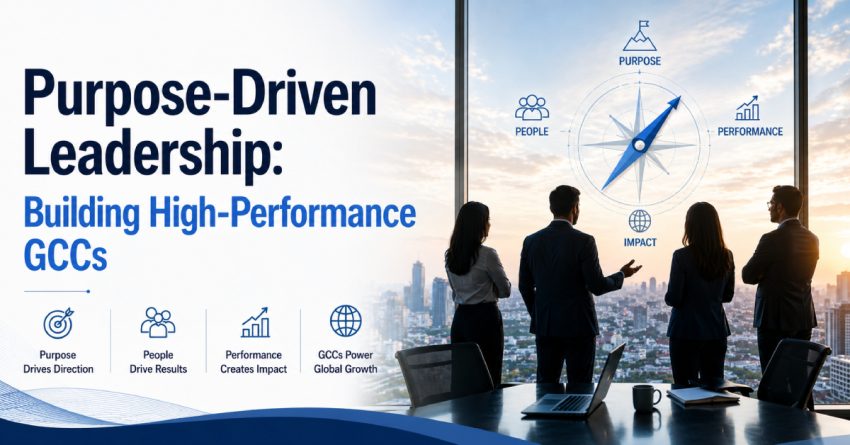
Purpose-Driven Leadership: Building High-Performance GCCs
Global Capability Centres (GCCs) have become important sources of enterprise value. When they begin to add the role of service delivery into innovation, transformation, and strategic execution, the issue of leadership becomes final and conclusive concerning the performance. The concept of purpose-driven leadership has become one of the main components to developing high-performing GCCs that…
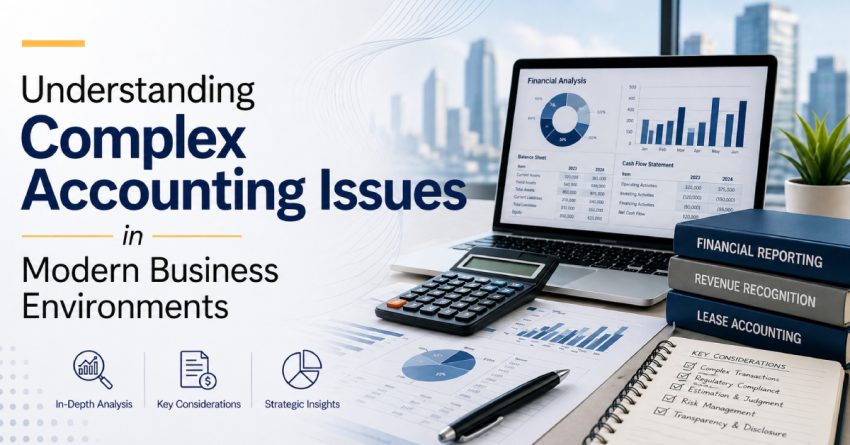
Understanding Complex Accounting Issues in Modern Business Environments
In the modern world of ever-changing business environments, companies are facing more complex financial challenges. Accounting has never been as complex as it is today due to globalization, technological developments and dynamic regulatory structures. The consequence is that business entities need to address complex accounting issues in a way that they have a clear understanding…
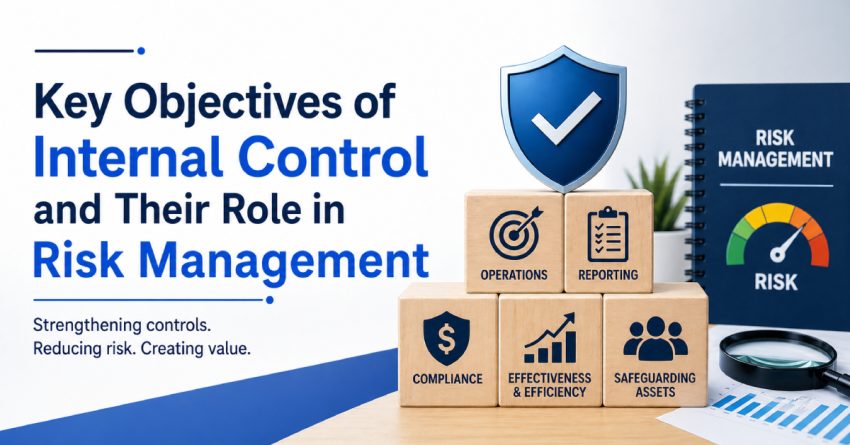
Key Objectives of Internal Control and Their Role in Risk Management
In an increasingly dynamic business world, there is a broad spectrum of risks to which organizations are subjected: financial risks and operational risks. Companies must use strong internal control systems to overcome these challenges. The purpose of internal control is crucial to the development of a robust foundation that will help manage risk and achieve…