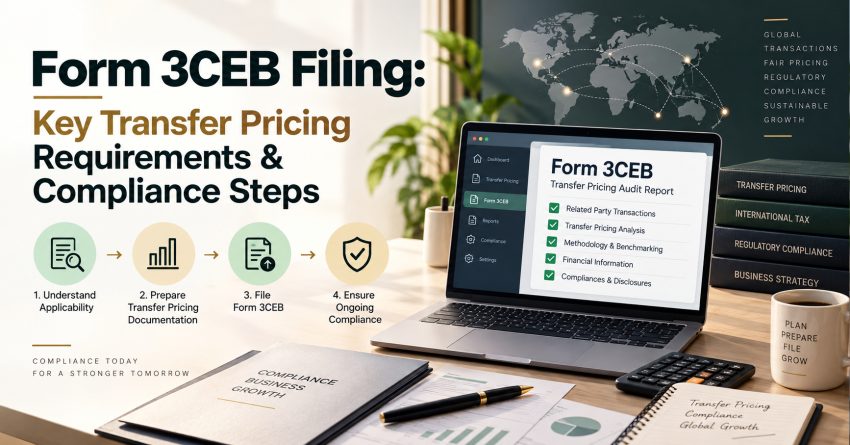
Cross-border transactions between related entities are closely examined under transfer pricing regulations. Businesses must demonstrate that their pricing follows the arm’s length principle – the price or conditions that independent enterprises would have agreed upon under comparable circumstances. Where applicable, a taxpayer must maintain prescribed documentation and obtain an accountant’s report in Form 3CEB. The…
Business Continuity Planning: Preparing Operations for Disruption
Things can go wrong in a business in an instant. The operations of successful companies can be disrupted by power outages, cyber-attacks, equipment failures, supply chain issues, natural disasters or sudden employee shortages. Not everything may be preventable; however, organisations can plan for what they will do when a disruption occurs. BCP provides a systematic…
Centralize Global Operations with a Smarter GSS Model
Introduction In today’s world, where companies operate in many different countries, the challenge faced by an organization in managing financial, HR, procurement, IT and other such functions become ever harder. Various processes, systems and regional workforces tend to lead to duplication of efforts, standardization problems and increased operational costs. However, a modern Global Shared Services…
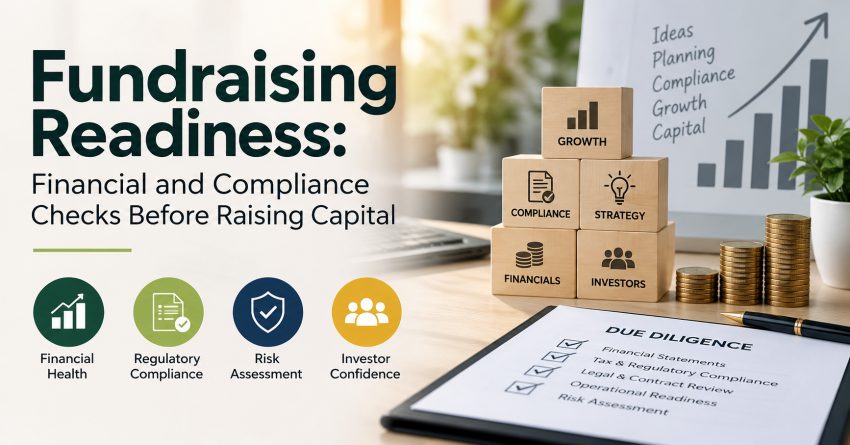
Fundraising Readiness: Financial and Compliance Checks Before Raising Capital
Obtaining external financing may turn out to be a crucial step in the life of a business. Starting from the very first round of institutional investment to a subsequent fundraising event, investors will surely want to understand how financially sound the business is, what its legal structure is like, whether it complies with all relevant…
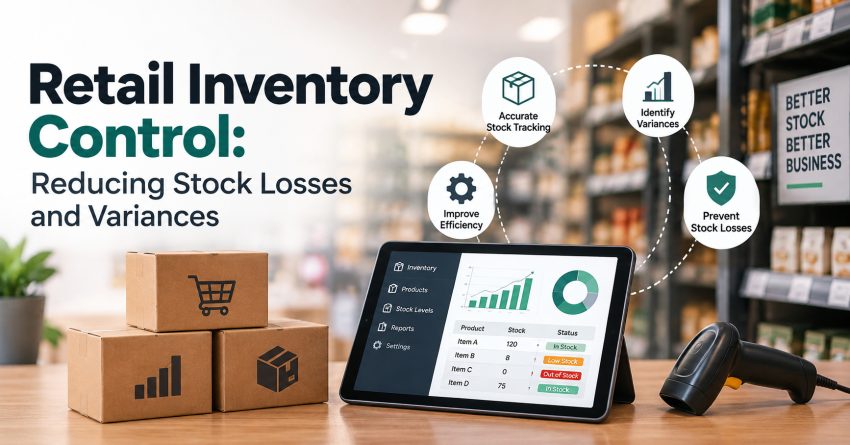
Retail Inventory Control: Reducing Stock Losses and Variances
For retailers, every item on the shelf represents invested capital. Minor issues, such as items missing, damaged, wrongly entered or not accounted for, can have a large impact on profits. Good inventory management can assist retailers in keeping an accurate record of the goods, identify losses, and keep inventory available to the customer when needed….
How Can Businesses Prepare for a Merger or Acquisition?
A merger or acquisition may create new markets, new technologies, new customers and growth opportunities. But, when two businesses are coming together, it’s not just about an agreement. Businesses need to be aware of their financial situation, understand legal responsibilities, identify risks, and get staff ready for major changes. Following a well-planned merger and acquisition…
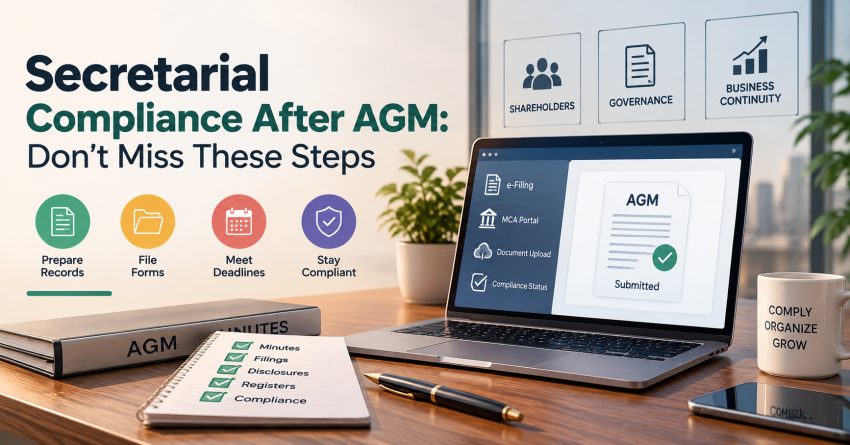
Secretarial Compliance After AGM: Don’t Miss These Steps
Completing an Annual General Meeting does not conclude a company’s compliance responsibilities. Decisions taken by members must be properly documented, implemented and reported to the relevant authorities. Post-AGM compliance can include preparing minutes, filing financial statements and annual returns, reporting resolutions, updating statutory registers, processing appointments and completing dividend requirements. A structured checklist ensures that…
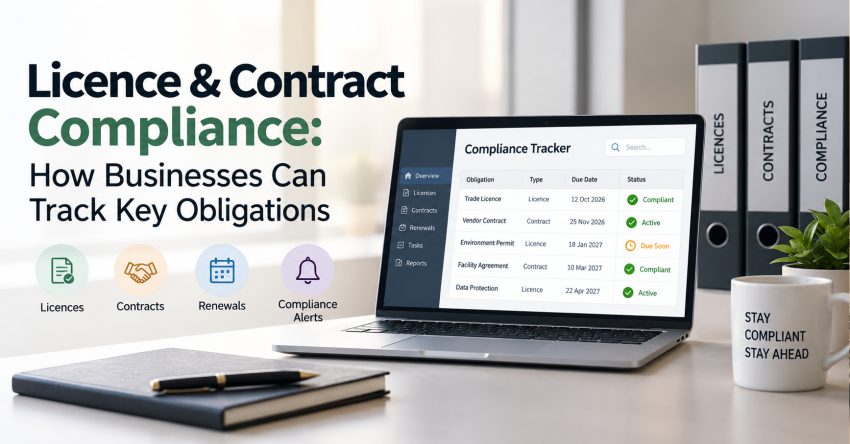
Licence & Contract Compliance: How Businesses Can Track Key Obligations
“Businesses must manage a range of licences, contracts, permits, certifications, and regulatory requirements. Failure to meet a renewal date, to comply with a contractual requirement or to meet a compliance condition may result in penalties, disruption to operations, and reputational damage. It’s not easy to manage these obligations by hand as organisations expand. That’s why…
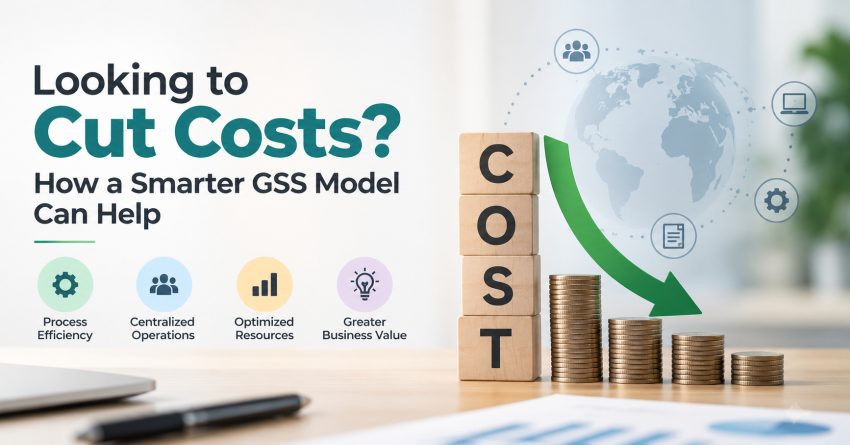
Looking to Cut Costs? How a Smarter GSS Model Can Help
In the modern world of business competition, companies are always looking for ways to minimize their costs without lowering the quality of their services. Common approaches to achieving this include downsizing or restricting investments. However, these measures may not always be effective or sustainable. The new GSS model presents a better way to go about…
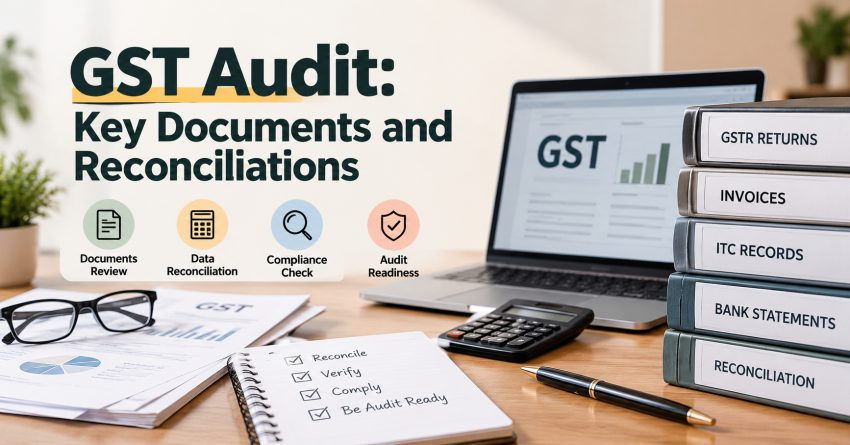
GST Audit: Key Documents and Reconciliations
A GST departmental audit examines whether a registered person has correctly reported turnover, paid tax, claimed input tax credit and complied with applicable GST requirements. It can cover returns, books, invoices, e-way bills, e-invoices, refunds, branch transactions and supporting records. A business may receive an audit notice even after filing every return. Filing confirms submission,…