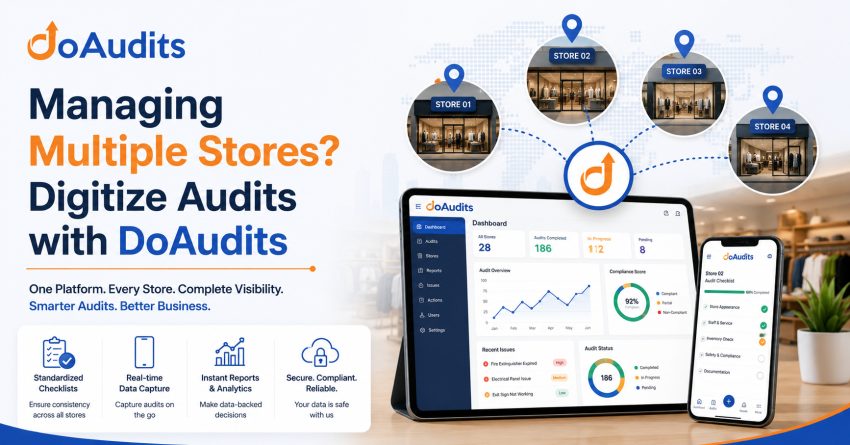
Running more than one retail outlet has many duties attached to it. From merchandising standards to inventory checks, compliance, hygiene, and customer satisfaction, everything has to be monitored at all outlets. Paper-based audits not only make the procedure slow but inconsistent and untracked as well. Here is where the retail audit software plays its role…
Managing Cross-Border Transactions? Review Your FEMA and RBI Compliance
International business transactions will help businesses tap into international markets, international investors, overseas subsidiaries, and opportunities for growth. Nonetheless, business transactions that involve foreign currencies, non-residents, and overseas investments require some regulatory obligations as well. Businesses will be able to reduce their regulatory risks if they have a planned compliance strategy with FEMA and RBI….
Facing Compliance Gaps? Strengthen Your IFC Framework
In this current age of regulation, companies are increasingly expected to be open, precise, and responsible when it comes to their financial reporting. The loopholes can stem from poorly organized processes, mistakes on account of manual entry, lack of proper oversight, or evolving regulatory requirements. Should these go unchecked, such loopholes could result in financial…
Planning to Raise Funds? Get Your Business Valuation Right
Raising funds is one of the most significant milestones for any business. Whether you are approaching angel investors, venture capitalists, private equity firms, or financial institutions, one factor can greatly influence the outcome of your fundraising journey—your business valuation. A well-supported valuation builds credibility, strengthens investor confidence, and helps you negotiate better investment terms. This…
Is Your Business Ready for an Internal Audit? Key Signs to Watch
The world today has become highly complicated for businesses, in which it becomes imperative for organizations to have financial acumen, regulatory compliance, and efficiency to grow sustainably. While organizations grow, their associated risks become more prominent in terms of their processes, controls, and governance. This is where the internal audit comes into play as it…
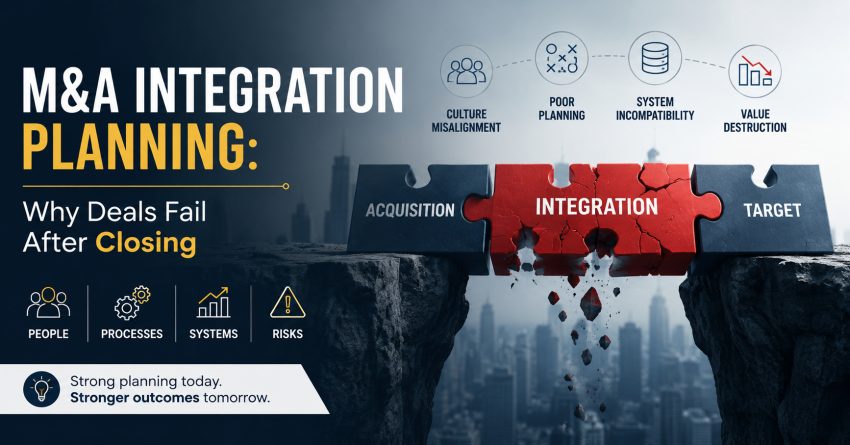
M&A Integration Planning: Why Deals Fail After Closing
Mergers and acquisitions can provide companies with an opportunity to grow their operations and capabilities. Nevertheless, the success of M&A does not depend on the deal itself but rather on the way companies plan and manage the process of integration afterwards. The lack of an integration plan can be a cause for many problems and…
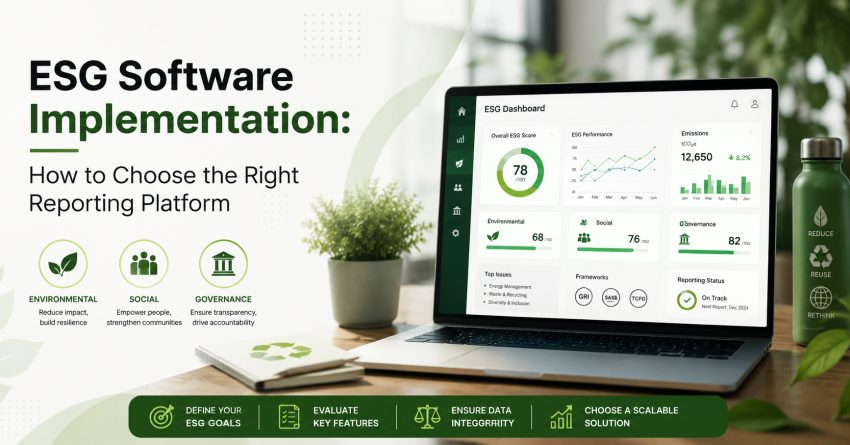
ESG Software Implementation: How to Choose the Right Reporting Platform
ESG reporting has emerged as an important area of concern for various businesses irrespective of sectors. Stakeholders, including investors, regulators, and consumers, are now expecting more transparency from businesses in terms of their sustainability initiatives. Managing ESG information manually can sometimes prove to be challenging for businesses and is one of the reasons behind the…
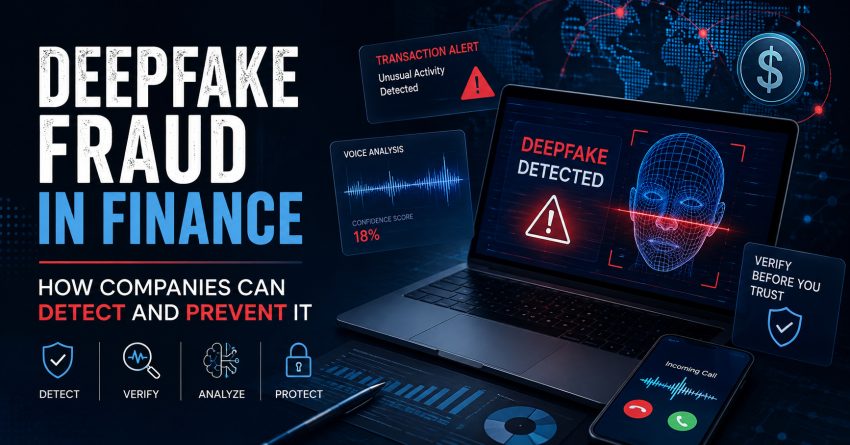
Deepfake Fraud in Finance: How Companies Can Detect and Prevent It
Introduction Artificial intelligence technology has revolutionized business operations, but at the same time, it has brought new complex cyber threats. Deepfake fraud is an emerging challenge for the financial industry. Cyber criminals use artificial intelligence to create audio recordings, video recordings, or images that help them pose as an executive, employee, or customer and commit…
Scope 3 Emissions: Why Supply-Chain Data Is Now a Business Priority
With the ongoing evolution of environmental policies, firms are facing growing demands to evaluate their carbon footprint. Even though several firms have already started measuring direct emissions from their operations, the most significant problem often emerges beyond the walls of such companies. It is crucial for firms to know about scope 1, scope 2, scope…
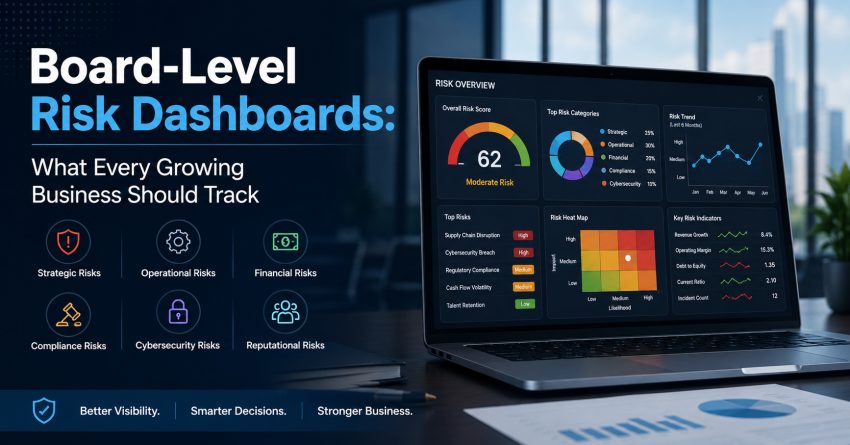
Board-Level Risk Dashboards: What Every Growing Business Should Track
As businesses grow, the complexity and number of risks they face also increase. The operational team deals with day-to-day risks; however, the board requires some information about the risks the company faces at a much higher level to make its decisions. This is when the use of risk dashboards proves to be relevant. With proper…