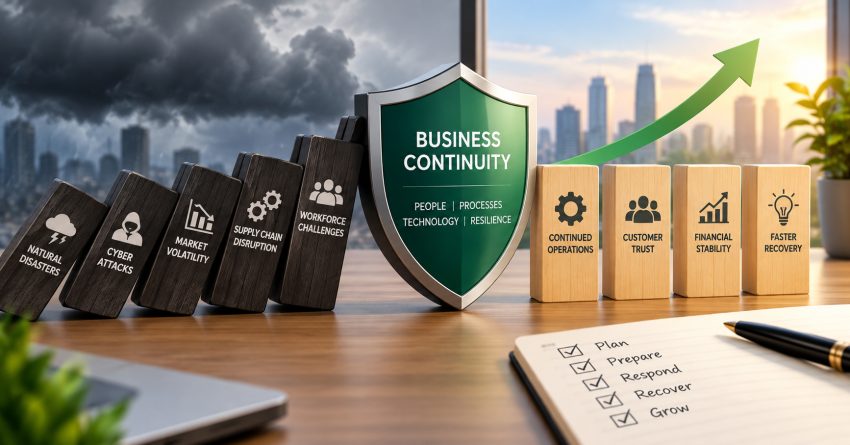
Things can go wrong in a business in an instant. The operations of successful companies can be disrupted by power outages, cyber-attacks, equipment failures, supply chain issues, natural disasters or sudden employee shortages. Not everything may be preventable; however, organisations can plan for what they will do when a disruption occurs. BCP provides a systematic…
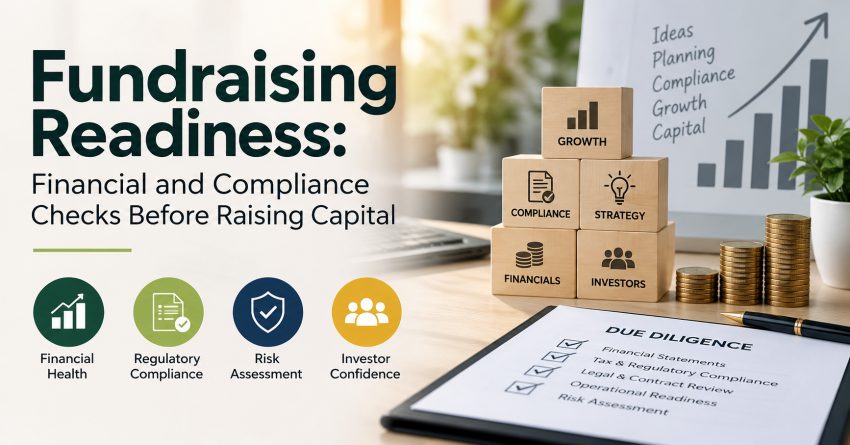
Fundraising Readiness: Financial and Compliance Checks Before Raising Capital
Obtaining external financing may turn out to be a crucial step in the life of a business. Starting from the very first round of institutional investment to a subsequent fundraising event, investors will surely want to understand how financially sound the business is, what its legal structure is like, whether it complies with all relevant…
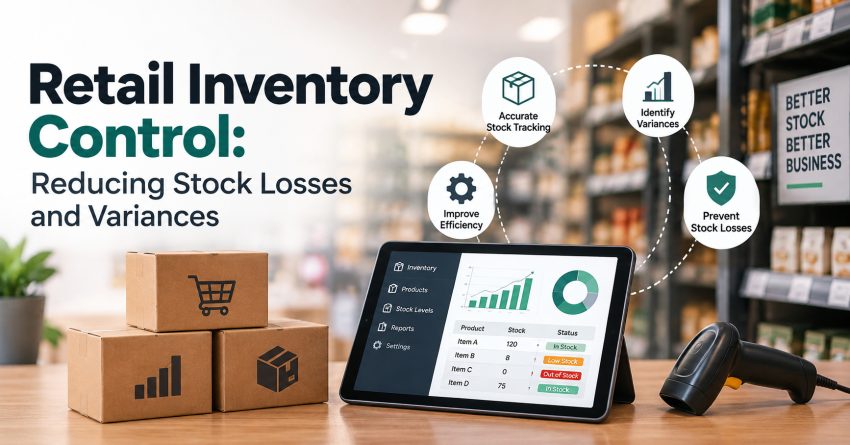
Retail Inventory Control: Reducing Stock Losses and Variances
For retailers, every item on the shelf represents invested capital. Minor issues, such as items missing, damaged, wrongly entered or not accounted for, can have a large impact on profits. Good inventory management can assist retailers in keeping an accurate record of the goods, identify losses, and keep inventory available to the customer when needed….
How Can Businesses Prepare for a Merger or Acquisition?
A merger or acquisition may create new markets, new technologies, new customers and growth opportunities. But, when two businesses are coming together, it’s not just about an agreement. Businesses need to be aware of their financial situation, understand legal responsibilities, identify risks, and get staff ready for major changes. Following a well-planned merger and acquisition…
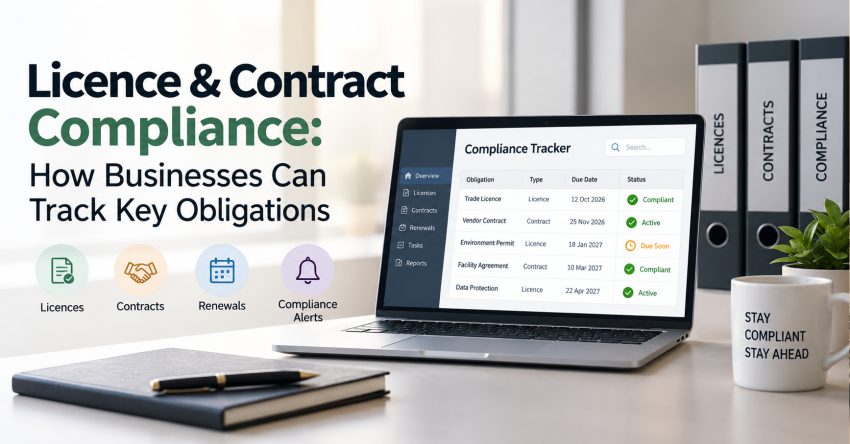
Licence & Contract Compliance: How Businesses Can Track Key Obligations
“Businesses must manage a range of licences, contracts, permits, certifications, and regulatory requirements. Failure to meet a renewal date, to comply with a contractual requirement or to meet a compliance condition may result in penalties, disruption to operations, and reputational damage. It’s not easy to manage these obligations by hand as organisations expand. That’s why…
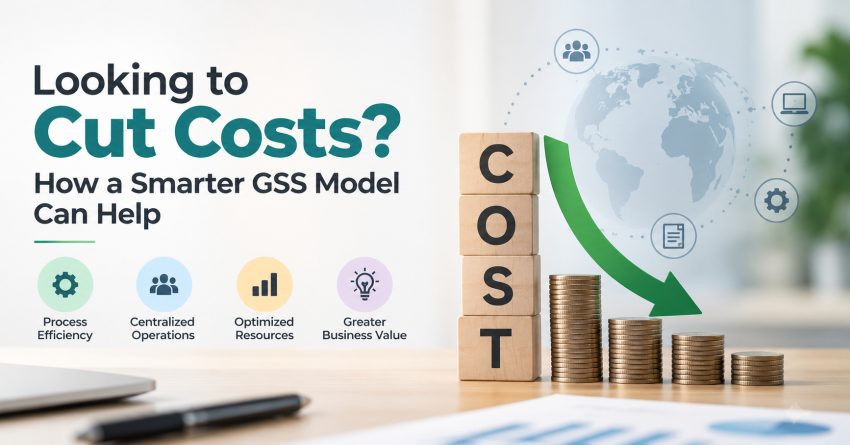
Looking to Cut Costs? How a Smarter GSS Model Can Help
In the modern world of business competition, companies are always looking for ways to minimize their costs without lowering the quality of their services. Common approaches to achieving this include downsizing or restricting investments. However, these measures may not always be effective or sustainable. The new GSS model presents a better way to go about…
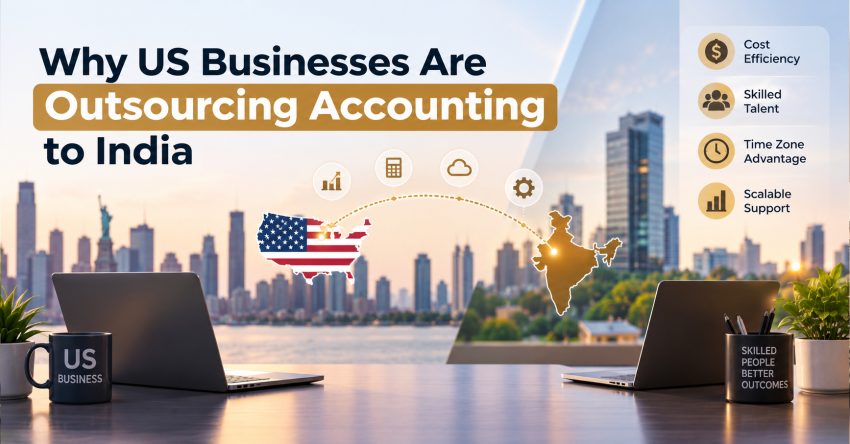
Why US Businesses Are Outsourcing Accounting to India
For many U.S. businesses, accounting is no longer considered exclusively an in-house function. Outsourcing is becoming an even more viable option as businesses seek to become more efficient, manage their operating costs and gain access to special skills. This model has become particularly attractive for U.S. businesses considering India due to a combination of skilled…
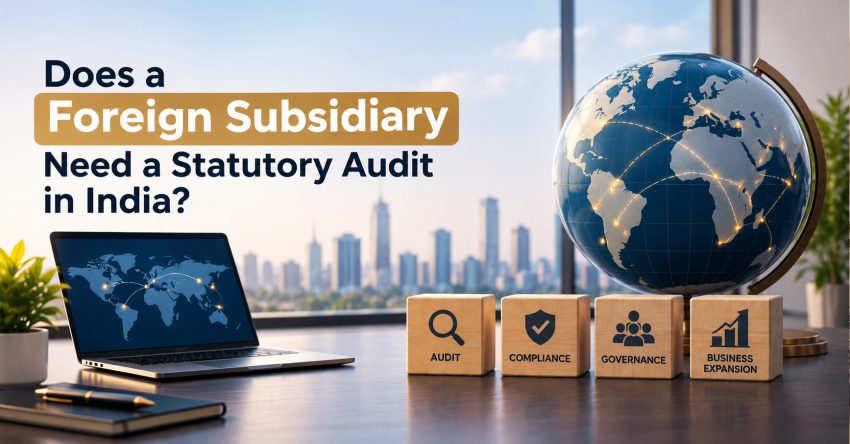
Does a Foreign Subsidiary Need a Statutory Audit in India?
If an overseas company establishes a subsidiary in India, it is important to understand the corporate and compliance requirements that apply to the Indian entity. The first question that comes to mind is if there is a statutory audit requirement for Indian subsidiaries. In most cases, the answer is yes. An Indian subsidiary incorporated as…
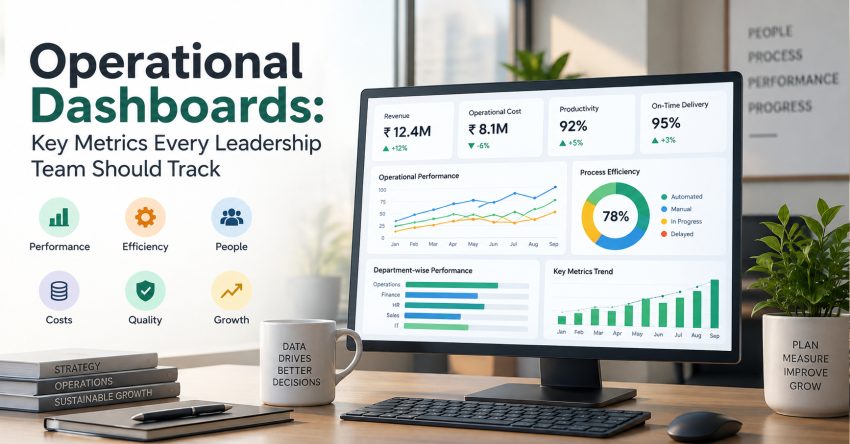
Operational Dashboards: Key Metrics Every Leadership Team Should Track
Business leaders need visibility into what is happening across the organisation, not only at the end of a quarter but every day. This visibility can be realized on operational dashboards by consolidating key performance information. Leadership teams can track important indicators and find out if there are changes to address rather than going through long…
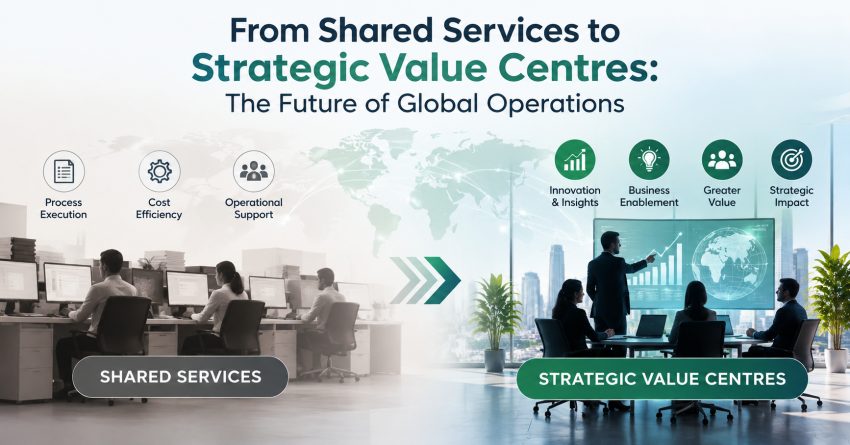
From Shared Services to Strategic Value Centres: The Future of Global Operations
Introduction With companies venturing into international business environments, operational efficiency has gained more significance than before. Firms have gone past the stage where they were happy having centralized groups just performing operational tasks for them. Rather, what has evolved is that they are converting their operational centers into value centers contributing to innovation and growth….