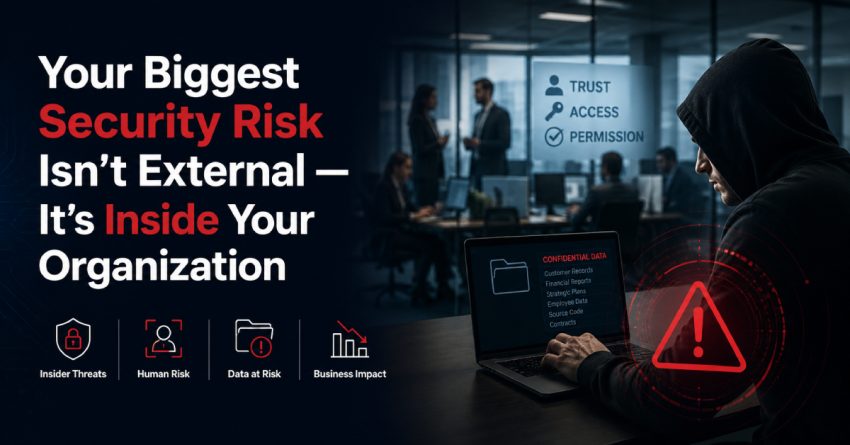
Today’s businesses deal with huge volumes of sensitive data on a routine basis. Important information is constantly being transferred over digital systems, from records to customer databases to confidential business documents. Although external threats are a major concern for companies, internal threats have emerged as one of the worst threats for businesses across the board. Sensitive information can be intentionally or unintentionally released by the employees, vendors or contractors with authorized access. In this regard, forensic data analysis tools have come into great significance and are a key factor in enhancing organizational security.
Insider threats are hard to detect, as individuals have existing access to the system. Suspicious activity can sometimes originate even from trusted users, a phenomenon that is undetectable by the traditional analysis metrics/tools. Therefore, the business of today’s times needs sleek, sophisticated and heavily intelligent monitoring systems to detect suspicious behavior before significant damage is done. To reiterate, forensic data analysis tools are the key in today’s business security landscape.
How Forensic Data Analysis Tools Work
Forensic data analysis software has one major advantage—it can process and analyze the information stored in massive amounts quickly. These tools track transaction history, logins, communication logs, file accesses and user behavior to detect abnormal activity.
For instance, if a staff member downloads huge quantities of confidential files, accesses systems at odd hours or moves sensitive information without permission, these systems can immediately raise a flag for further investigation. Organizations can use an automated system to recognize warning signs much earlier than ever would have been possible using manual monitoring.
Improving Transparency across Organizations
Keeping track of the use of data in the business is often a challenge. Consequently, departments may need to share files with each other; employees may need to log on to more than one system during their work. If it’s not monitored, it is hard to accurately monitor suspicious activity.
Forensic data analysis tools enable organizations to build transparency by keeping track of the users’ activity in a detailed digital manner. These records can be utilized to keep up with accurate records of how security incidents have been handled and as evidence for internal investigations when they do occur. Companies can easily find out the root cause of the incident, what systems were impacted and how the incident occurred. This visibility facilitates organizations to enhance accountability and boost their internal security policies.
Supporting Compliance and Regulatory Requirements
Sectors like banking, health, insurance and IT are supposed to be under stringent data protection and compliance laws. Organizations must make sure that their systems are fortified; that customer data is not used or shared inappropriately without customer’s consent.
In these sensitive sectors compliance is aided by utilizing forensic data analysis tools that can keep track on monitoring system activities, churn out accurate reports for audits, and investigations. These tools facilitate businesses to show that they have the right security measures implemented, minimizing the likelihood of legal consequences and damage to reputation. A passive advantage of using forensic data analysis tools is the boost in stakeholder trust in data protection.
Conclusion
Insider threats have emerged as a big problem for any business, regardless of their size. Organizations are no longer able to just depend on conventional security strategies to protect valuable information. To aid in the detection of suspicious activities, to promote transparency, to assist with compliance and to enhance overall digital security, forensic data analysis tools are provided. With the increasing volume of sensitive data being handled by businesses, these tools will continue to play a vital role in creating a more secure, smart, and safer workplace.
Frequently Asked Questions
Also Read: Protecting Investor Data Through Cyber Security Consulting Service