As businesses expand across countries, managing financial operations becomes increasingly complex. Different regions may follow separate reporting practices, tax regulations, payment processes and compliance requirements. While these arrangements address local needs, they can also result in duplicated activities, inconsistent financial information and higher administrative costs. Global finance shared services provide a way to consolidate selected…

Resource Consulting: Are Skill Gaps Delaying Your Business?
Business growth depends on having the right people with the right skills in place. However, many organisations struggle to match their workforce capabilities with changing business requirements. Existing employees may have relevant experience but lack the specialist knowledge or technical skills needed for new projects, technologies or business activities. These skill gaps can affect project…
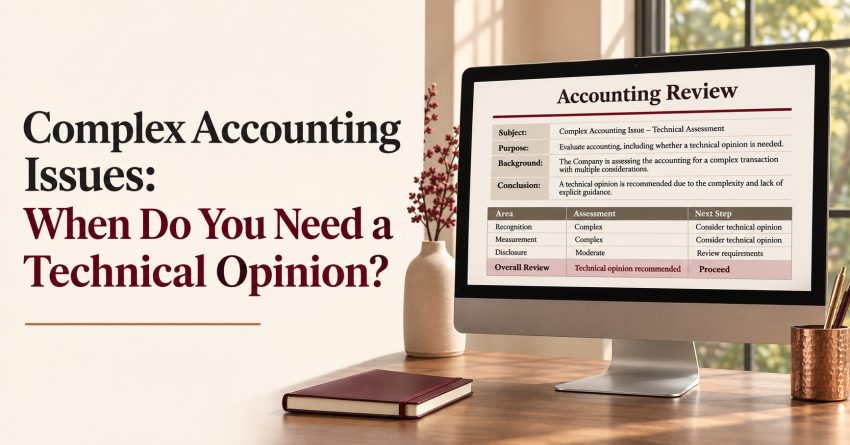
Complex Accounting Issues: When Do You Need a Technical Opinion?
Accounting decisions are not always straightforward. While routine business transactions generally follow established accounting procedures, certain events may involve complex accounting standards, significant professional judgement or multiple possible interpretations. Transactions such as mergers and acquisitions, complex revenue arrangements, financial instruments and changes in accounting policies can have a significant impact on a company’s financial statements….
GAAP to IFRS Conversion: How to Plan a Smooth Transition
As businesses expand into international markets, attract overseas investors or establish operations across different countries, financial reporting requirements can become more complex. Organisations that follow Generally Accepted Accounting Principles (GAAP) may eventually need to align their financial reporting with International Financial Reporting Standards (IFRS). This transition involves more than changing accounting formats. It requires a…
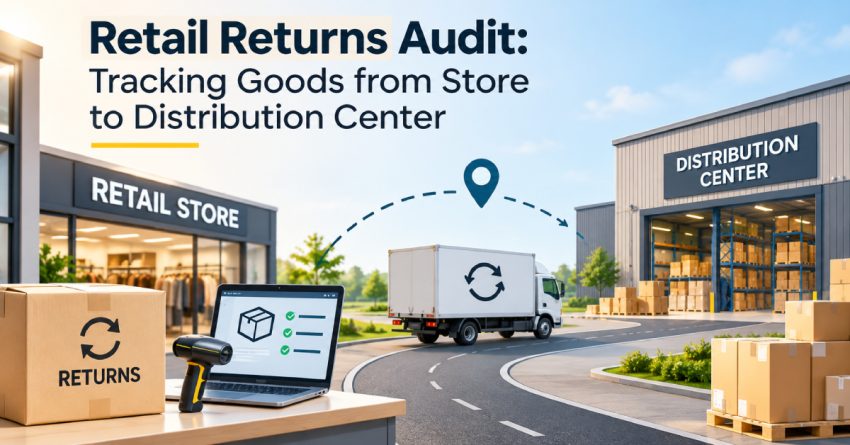
Retail Returns Audit: Tracking Goods from Store to Distribution Center
Product returns are an unavoidable part of retail operations. Customers may return goods due to incorrect orders, damaged packaging, defective products or changes in purchasing decisions. However, managing returns requires the same level of control and accuracy as managing sales and regular inventory movements. When returned goods are not properly recorded and tracked, businesses may…
Financial Statement Restatement: Key Triggers and Steps to Take
A company’s financial statements provide important information about its financial position, performance and cash flows. Investors, lenders, regulators and management rely on this information to make informed decisions. However, errors or omissions in previously issued financial statements can sometimes affect the accuracy of reported figures. When material errors are identified, a financial statement restatement may…
Dynamics 365 Business Central Implementation: Is Your Business Ready?
When you’re looking to implement a new business management system many will view it as a technological upgrade. However, there will be some groundwork needed to understand how your departments are currently run, what data you have in place, and whether you have the capabilities in place to move to a more integrated environment. If…
Struggling with Business Performance? When to Seek Corporate Consulting
Every business faces challenges as it grows. Revenue may slow down, operating costs may increase, or internal processes may become less efficient. While some issues can be addressed through routine management decisions, recurring problems often require a closer examination of the business. Professional corporate consulting services can provide an independent perspective, helping business owners and…
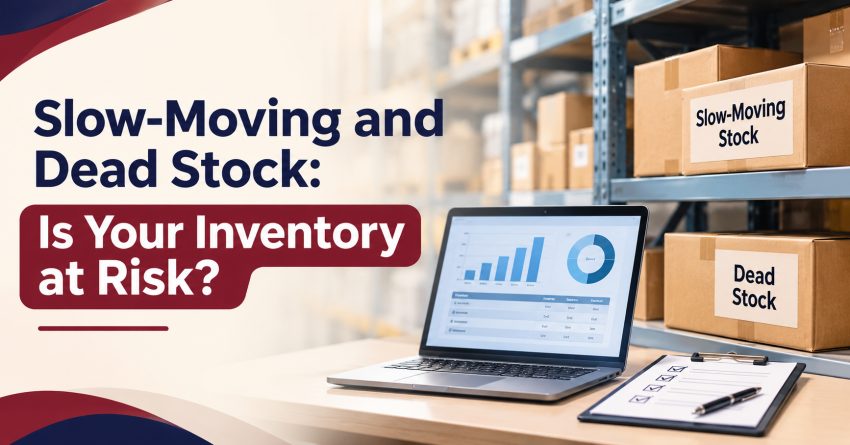
Slow-Moving and Dead Stock: Is Your Inventory at Risk?
Inventory is often considered a business asset, but not every item sitting in a warehouse contributes positively to financial performance. Products that remain unsold for extended periods can quietly increase storage expenses; block working capital and affect profitability. The problem becomes more serious when businesses continue purchasing new stock without examining what is already available….
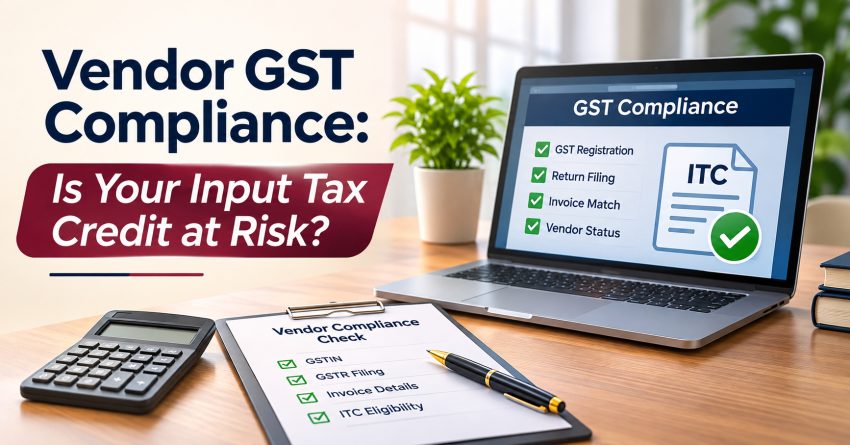
Vendor GST Compliance: Is Your Input Tax Credit at Risk?
Input Tax Credit (ITC) plays an important role in managing a business’s GST liability. It allows eligible businesses to claim credit for GST paid on purchases and use it against their output tax liability, subject to prescribed conditions. However, claiming ITC involves more than receiving an invoice and recording a transaction. Vendor reporting and compliance…