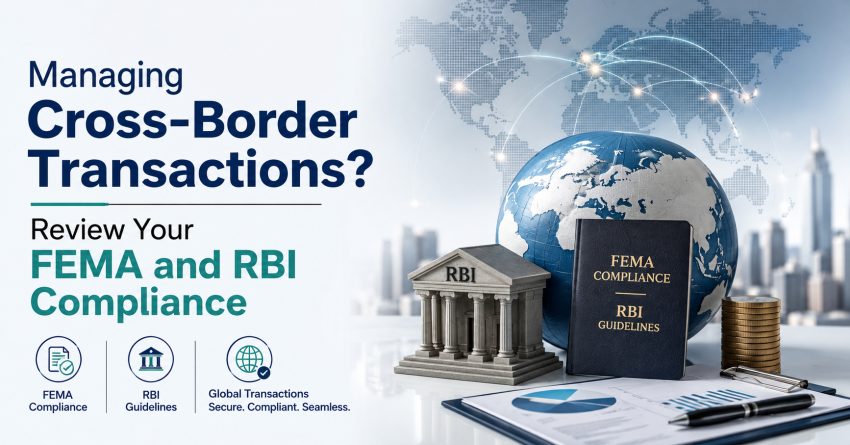
International business transactions will help businesses tap into international markets, international investors, overseas subsidiaries, and opportunities for growth. Nonetheless, business transactions that involve foreign currencies, non-residents, and overseas investments require some regulatory obligations as well. Businesses will be able to reduce their regulatory risks if they have a planned compliance strategy with FEMA and RBI.
Understanding the Regulatory Framework
Importance of FEMA for Cross-Border Transactions
The Foreign Exchange Management Act regulates foreign exchange transactions in India. The Act provides the regulatory regime for acceptance of foreign investments, overseas investments, international transfers, and foreign transactions. It is necessary for the business entity to determine the legal status of the intended transaction.
The Significance of RBI Regulations
The RBI holds a significant position in the management of the Indian foreign exchange laws. Various RBI regulations, notifications, and reporting mechanisms can affect the manner in which a company conducts its cross-border transactions.
It is therefore necessary for a business entity to keep its FEMA and RBI processes in line with the relevant regulations.
Key Areas Businesses Should Review
Foreign Investment Transactions
Businesses getting investments from foreign parties should consider aspects like mode of investment, restrictions on industry, pricing rules, and reporting procedures. An incorrect classification and failure to report will lead to unnecessary regulatory exposure.
Maintaining Documentation
Documentation for the investment agreements, valuation reports, transaction papers, bank papers, and statutory papers should be maintained systematically. Proper documentation helps in maintaining an audit trail and regulatory reporting.
Overseas Investments
Indian businesses making investments abroad should examine the relevant overseas investment regime and ensure that the transaction is compliant with all regulations.
Transaction Structure Examination
Prior to making any payments abroad, businesses should consider aspects like the nature of the investment, the activity that can be carried out, funding, and the reporting procedure. This helps avoid compliance problems later on in the transaction.
Strengthening Compliance Before Problems Arise
Periodic Compliance Audits
Such audits can help determine any deficiencies that may exist in reporting, documentation, approvals, and transactions. It is important that businesses not only review past cross-border transactions but also future transactions.
Keep Up With Regulatory Trends
Foreign exchange regulations may change as regulatory agencies provide new directives and requirements for reporting. It is necessary for businesses to put in place some mechanism to monitor such changes and include them within their compliance policies.
Finance, Legal and Compliance Team Collaboration
Cross-border transactions usually involve more than one team within organizations. The finance team takes care of fund flow while the legal team is responsible for analyzing agreements, and the compliance team evaluates regulations.
Build Confidence in International Transactions
There are many possibilities involved in cross-border business development; however, regulation is often an aspect that is overlooked. An effective FEMA and RBI compliance process can ensure that the company conducts international transactions efficiently, keeping proper records and avoiding any avoidable regulatory problems.
Professional review may also assist an organization in finding the deficiencies in its compliance process and controlling future transactions.
Trying to streamline regulatory requirements for cross-border transactions? Consider CAC’s FEMA and RBI compliance services which can assist you in analyzing your transactions, addressing regulatory deficiencies, improving documentation, and managing the compliance requirements efficiently.
Frequently Asked Question
Q: What is FEMA compliance and why is it important for cross-border transactions?
FEMA compliance ensures that foreign exchange transactions, overseas investments, foreign investments, and cross-border fund transfers follow applicable Indian regulations. It helps businesses reduce regulatory risks and avoid compliance issues.
Q: What is the role of the RBI in FEMA compliance?
The RBI issues regulations, notifications, and reporting requirements that govern many foreign exchange transactions. Businesses must follow applicable RBI requirements when conducting cross-border transactions.
Q: How can businesses ensure FEMA and RBI compliance for cross-border transactions?
Businesses can strengthen compliance through transaction reviews, proper documentation, timely reporting, regulatory monitoring, and periodic compliance audits. Professional FEMA and RBI compliance support can also help identify gaps and reduce regulatory risks.
Also Read: FEMA Compliance Checklist: Key Documents Every Business Must Maintain