Introduction Effective 1 August 2026, the Goods and Services Tax Network (GSTN) has introduced important updates to its e-Invoice and e-Way Bill APIs. These changes are designed to improve data accuracy, strengthen invoice traceability, and enhance consistency between e-Invoices and e-Way Bills. Businesses using ERP systems, accounting software, or GST Suvidha Providers (GSPs) should understand…
Electric Vehicles vs. Traditional Fuel: Financial Impact on Indian Businesses in 2026
Introduction The comparison between electric vehicles (EVs) and traditional fuel-powered vehicles has become increasingly important for Indian businesses in 2026. High fuel prices, growth in infrastructure for charging, and government backing of sustainable means of transport are making companies reconsider their approaches towards transport. From logistic firms and parcel service operators to corporate fleets and…
Green Finance in India: Why ESG Is Becoming a Business Necessity
The Rise of Green Finance in India’s Business Landscape Sustainability is no longer just a fancy term for corporate entities; instead, it has become a key determinant in the process of business expansion and success. The corporate entities in India have started incorporating sustainability along with environmental and social responsibility in addition to having robust…
Build-Operate-Transfer (BOT) Model: Why Global Companies Prefer It in 2026
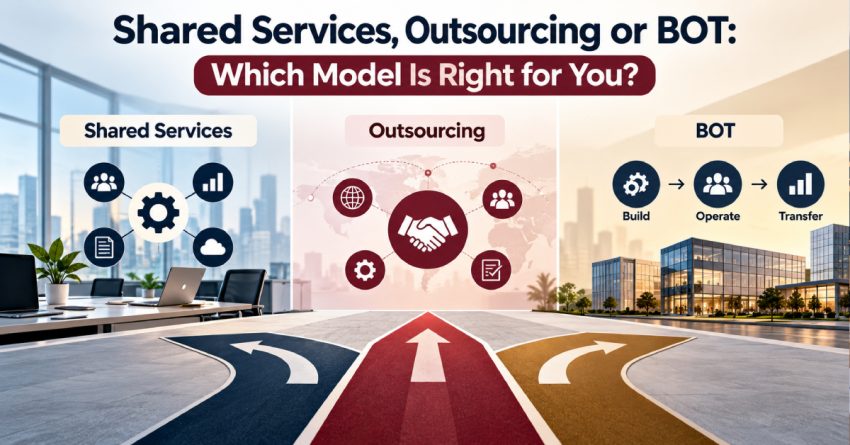
As businesses continue to expand into new markets, they need strategies that balance speed, operational control, and risk management. The Build-Operate-Transfer (BOT) model has emerged as a preferred approach for global companies seeking to establish operations efficiently while retaining long-term ownership. By enabling businesses to build, operate, and eventually take full control of their operations,…
Data Protection Audits Under DPDPA: Preparing for India’s New Data Protection Framework
The introduction of the Digital Personal Data Protection Act (DPDPA) in India marks the beginning of a new age of accountability for organizations that process personal data. It is mandatory for firms across different sectors to improve their governance policies, promote transparency in data processing, and implement measures to mitigate any breach in the safety…
Private Equity Funding: What Investors Look for Before They Invest
Expansion and the development of new products may necessitate substantial amounts of finance in private companies. While traditional financing options such as loans can support business growth, many high-growth companies prefer private equity or venture capital funding to accelerate expansion, strengthen operations, and access strategic expertise. This is when private equity and venture capital become invaluable….
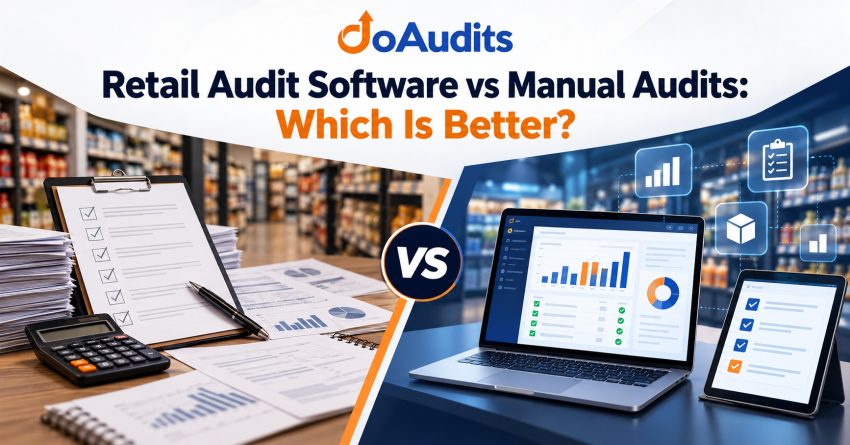
How Retail Audit Software Improves Compliance and Store Performance
The retail business sector exists in a dynamic environment that demands consistency in service delivery within different outlets. Store managers have several tasks to undertake, including stock monitoring, merchandising, checking employee productivity, among others. Manual audits using checklists are associated with inefficiencies and delays in delivering results due to inconsistencies and lack of proper record…
Business Process Reengineering (BPR) in Manufacturing: Emerging Industry Trends
Introduction The manufacturing sector is currently experiencing a fast change due to the introduction of automation and new technologies, as well as the shift in customer demands. The conventional approach to the processes which used to ensure efficiency in the manufacturing processes is not enough in the present competitive environment. Manufacturers are now trying to…
Startup Compliance Roadmap: From Company Registration to Investment Readiness
Starting a new venture is an interesting process; however, its ultimate success is based on something more than having a great idea. Every company needs to create a solid legal and financial base for itself to be legitimate, not to have any problems with law enforcement, and attract investments. A well-defined compliance roadmap helps entrepreneurs…
ESG Assurance vs. ESG Assessment: What SEBI’s Terminology Change Really Means
With the increasing importance of Environmental, Social and Governance (ESG) in business strategies, companies are becoming more aware of the expectations from the regulatory bodies. The recent development in the sustainability scene in India includes the shift in language by SEBI from “ESG Assessment” to “ESG Assurance.” This small shift in the language denotes the…