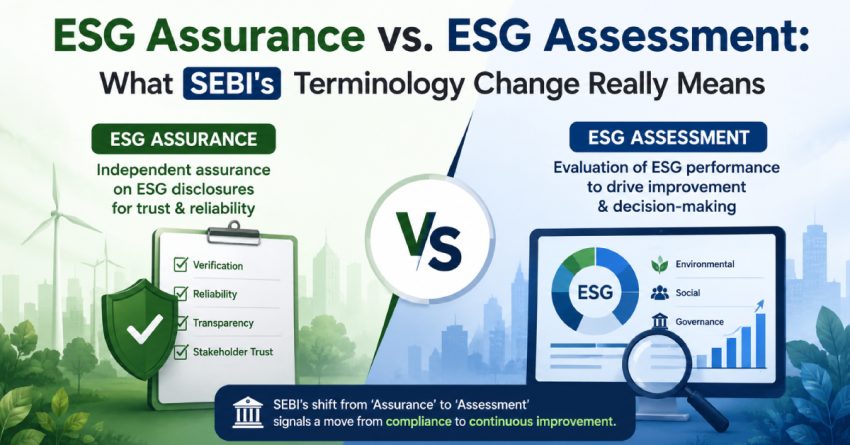
With the increasing importance of Environmental, Social and Governance (ESG) in business strategies, companies are becoming more aware of the expectations from the regulatory bodies. The recent development in the sustainability scene in India includes the shift in language by SEBI from “ESG Assessment” to “ESG Assurance.” This small shift in the language denotes the…
Author: CAC
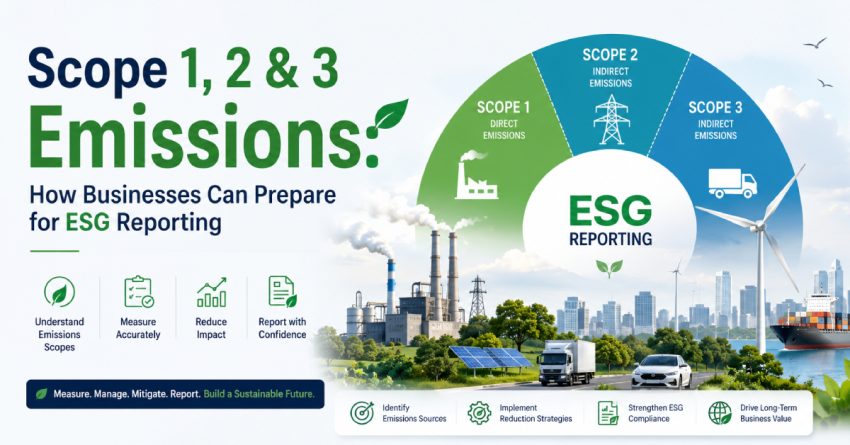
Scope 1, 2 & 3 Emissions: How Businesses Can Prepare for ESG Reporting
Environmental, Social, and Governance (ESG) reporting has become a vital component of sustainability initiatives for organizations from all sectors. Nowadays, investors, regulators, consumers, and business partners alike require more information about companies’ environmental impact in more transparent form. Scope 1 2 3 emissions are among the most important aspects of ESG reporting, as they help businesses…
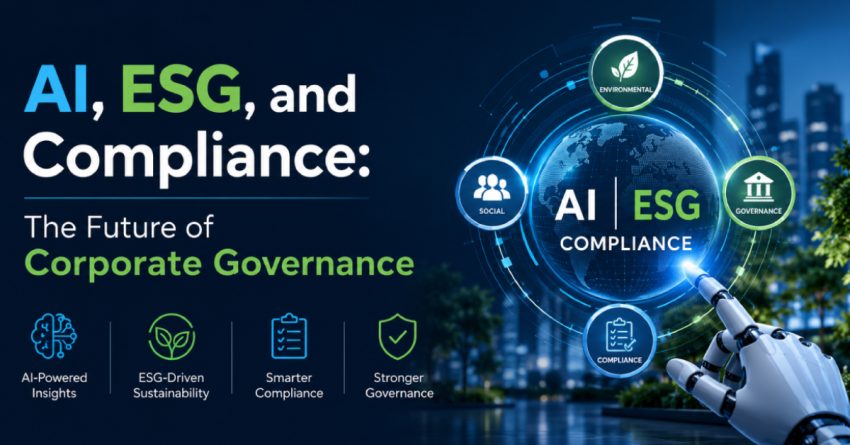
AI, ESG, and Compliance: The Future of Corporate Governance
There is an emerging shift in corporate governance as companies adopt technological changes and sustainability initiatives. Companies are not assessed on the basis of financial measures anymore; there is increasing emphasis on transparency, ethics, and environmental and social responsibility. Artificial Intelligence (AI), Environmental, Social, and Governance (ESG), and compliance are coming together to provide better…
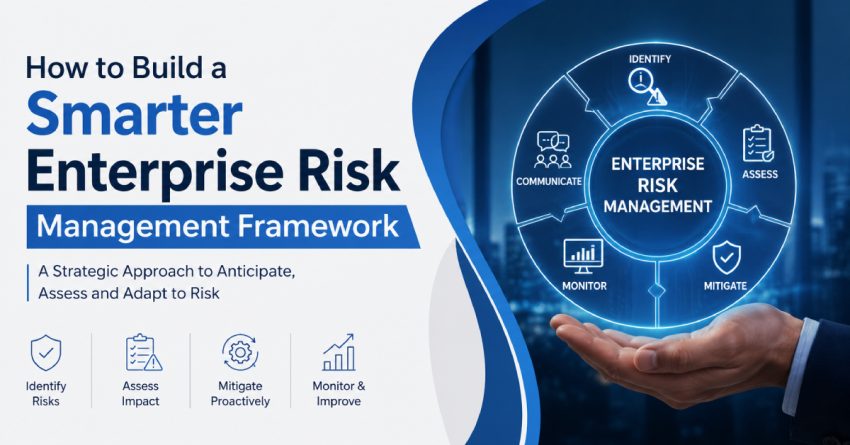
How to Build a Smarter Enterprise Risk Management Framework
Introduction With increasing complexities in today’s dynamic business environment, there are numerous uncertainties that a business might encounter. Some of these uncertainties include cyber-attacks, legislative changes, supply chain disruptions, and economic turbulence. It is not enough to only manage these uncertainties; it is important that organizations put in place a systematic process that will enable…
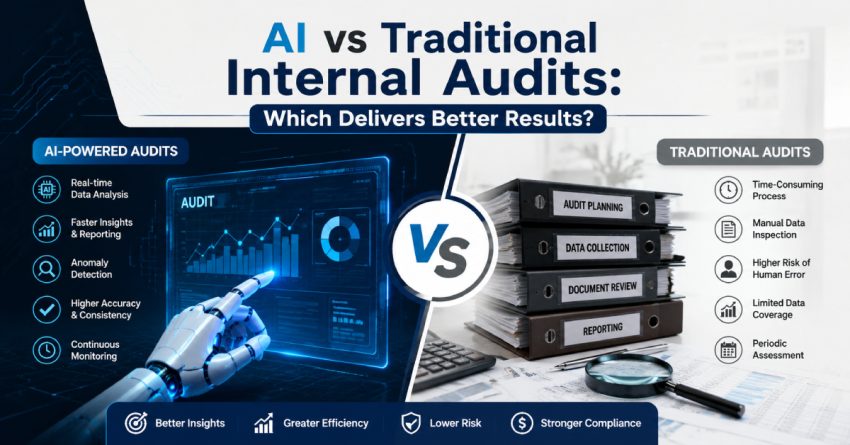
AI vs Traditional Internal Audits: Which Delivers Better Results?
Introduction In today’s world of business, companies work in a more complicated environment of regulations, and hence, risk identification, compliance management, and operational efficiency become very crucial factors. In such cases, internal audit services play a pivotal role in meeting these goals. With the rise of artificial intelligence (AI), there has been a change in the…
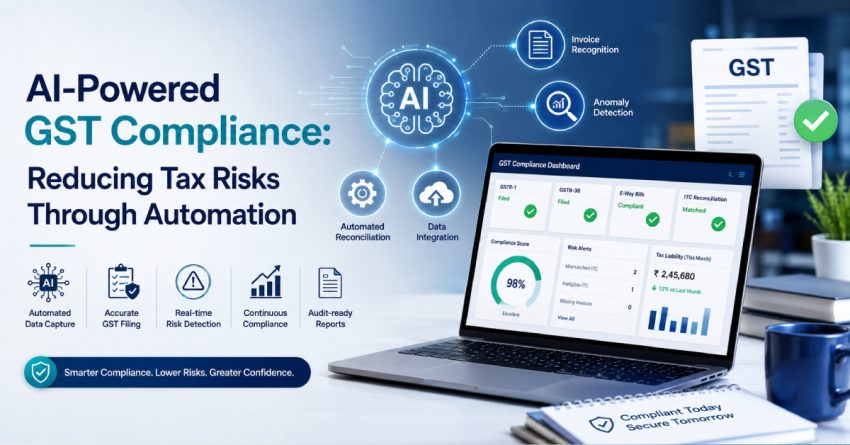
AI-Powered GST Compliance: Reducing Tax Risks Through Automation
Introduction Businesses are now operating in a world characterized by changing tax laws. The manual management of Goods and Services Tax (GST) is time-consuming and error-prone in the case of large organizations that have many transactions. AI technology is revolutionizing the way businesses manage GST compliance by identifying data inconsistencies, reducing manual effort, and saving…
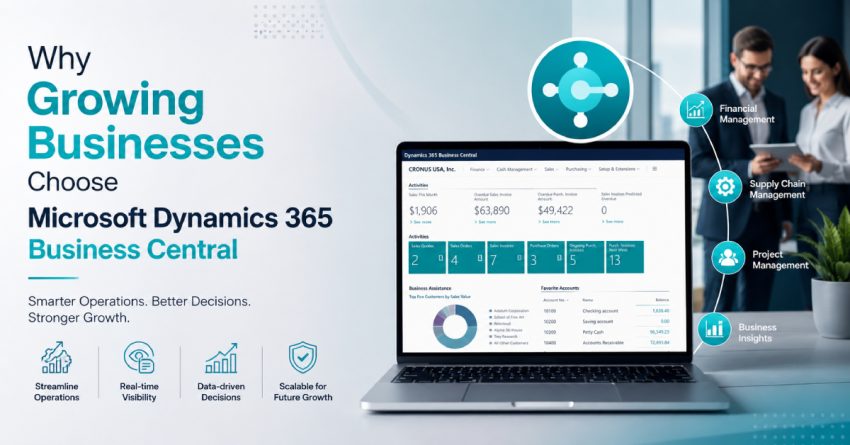
Why Growing Businesses Choose Microsoft Dynamics 365 Business Central
Introduction As an organization grows, it becomes very difficult for them to manage finances, inventory, sales, procurement, and customers. Inefficiency and inaccuracy will always be prevalent when using disjointed programs or methods to manage these operations. It is therefore important for an organization to adopt a unified system of business management to simplify their operations…
Business Valuation in the AI Era: Key Factors That Influence Company Value
Artificial intelligence is transforming how businesses operate, compete, and create value. As organizations increasingly adopt AI-driven technologies, business valuation is no longer based solely on financial performance or tangible assets. Today, factors such as digital capabilities, data assets, innovation, and AI adoption also play a significant role in determining a company’s value. The firms that…
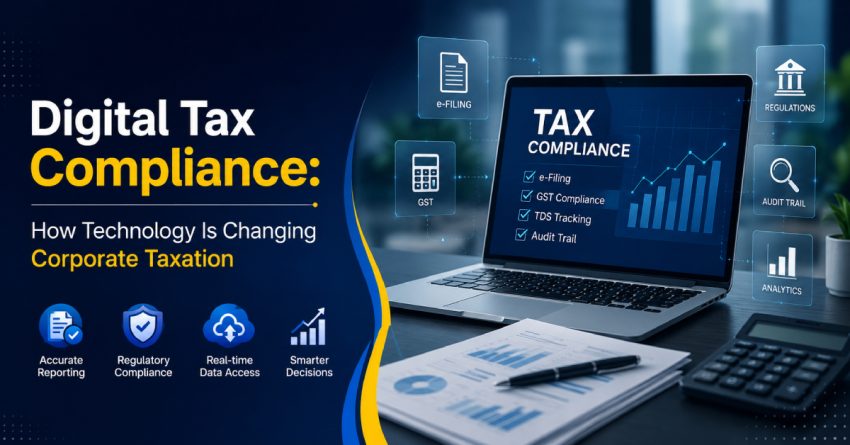
Digital Tax Compliance: How Technology Is Changing Corporate Taxation
With rapidly changing conditions in business, digitalization has moved from operational processes and customer support services to finance management and taxation. Digital taxation is being adopted by governments around the world to increase transparency, minimize tax evasion, and make the process easier for citizens. In India, firms have adjusted themselves to new technologies, automation, and…
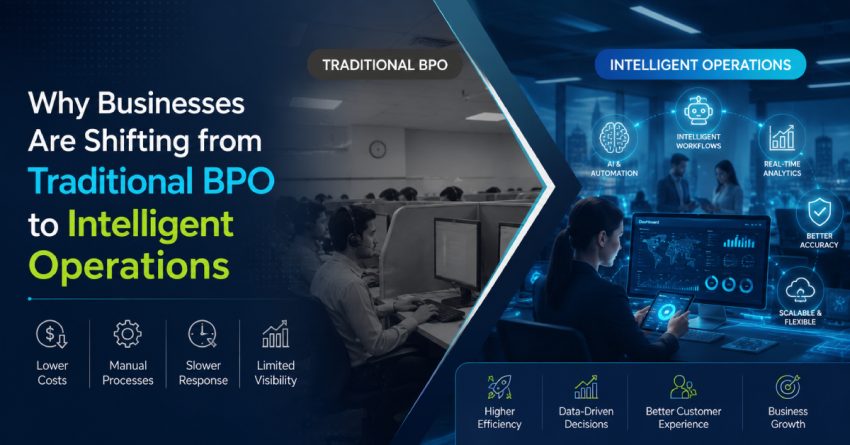
Why Businesses Are Shifting from Traditional BPO to Intelligent Operations
As businesses accelerate their digital transformation efforts, traditional outsourcing models are no longer enough to meet growing demands for speed, efficiency, and customer experience. Intelligent operations—powered by AI, automation, analytics, and cloud technologies—are helping organizations optimize processes and drive sustainable business growth. Thus, many enterprises are switching from traditional business process outsourcing services to more agile…