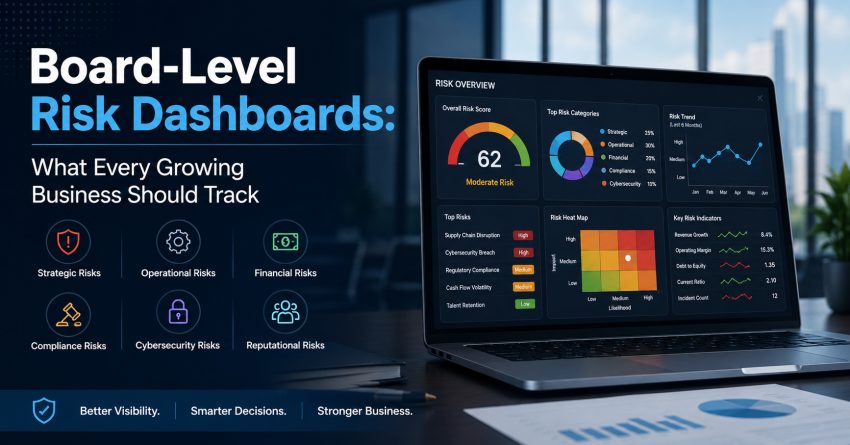
As businesses grow, the complexity and number of risks they face also increase. The operational team deals with day-to-day risks; however, the board requires some information about the risks the company faces at a much higher level to make its decisions. This is when the use of risk dashboards proves to be relevant. With proper…
From Spreadsheets to Smart Workflows: Modernising SOP Management
Introduction In numerous companies, the traditional method of maintaining the Standard Operating Procedures has been through the use of spreadsheets. Even though this practice seems effective, spreadsheet management becomes complicated when the organization grows. Confusion and risks are created when different versions exist and there is no collaboration among the people involved in the process….
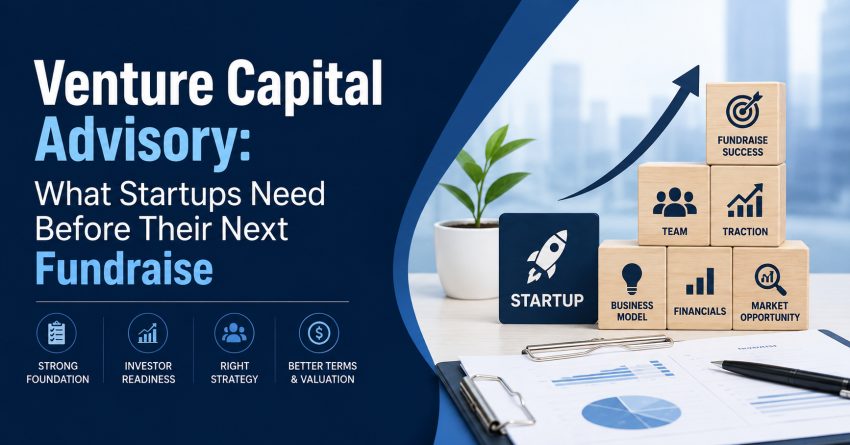
Venture Capital Advisory: What Startups Need Before Their Next Fundraise
Introduction Obtaining funding is always one of the milestones in every startup company. However, attracting suitable investors involves many things besides coming up with an interesting concept. Investors always analyze the financial performance of the company, its future growth potential, management capabilities, and scalability before investing money into the business. For a company not to…
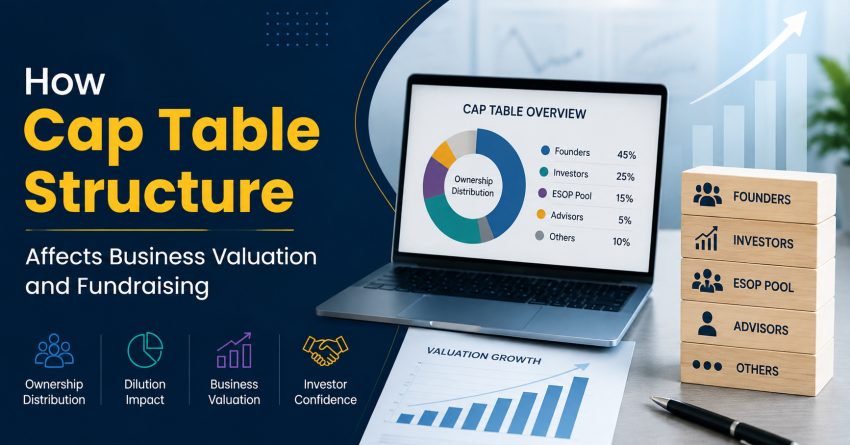
How Cap Table Structure Affects Business Valuation and Fundraising
A cap table is far more than just a document listing shareholders and ownership ratios. This document acts as a financial map that outlines who owns what part of the business and how future investments might affect the ownership ratios. No matter whether the startup is looking to raise money for the first time or…
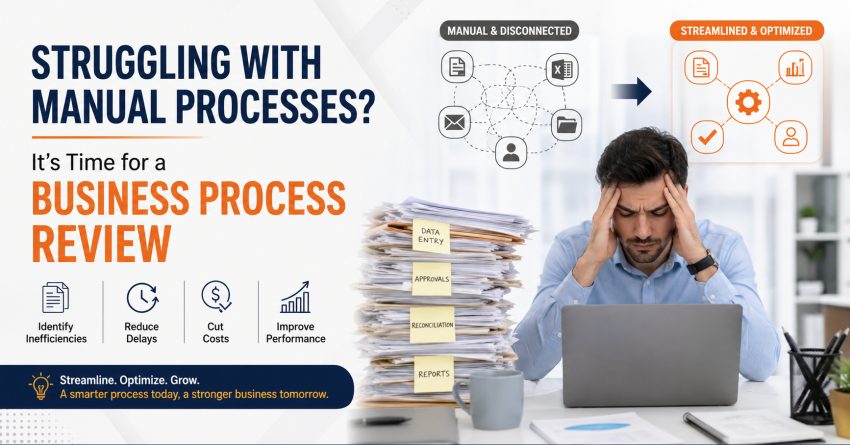
Struggling with Manual Processes? It’s Time for a Business Process Review
Introduction There are many companies that continue to use manual means to undertake their work, from filling out paperwork to getting approval and updating spreadsheets. Even though such activities might seem to be easy to handle initially, as the company grows, they can become the cause of lags and mistakes in work, which will affect…
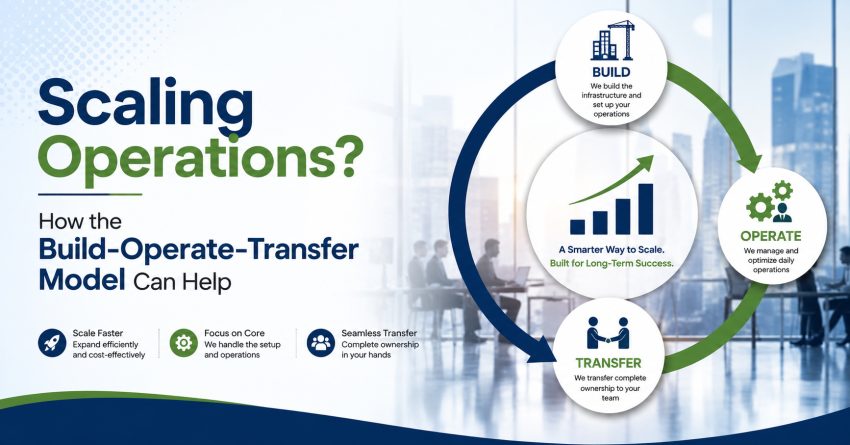
Scaling Operations? How the Build-Operate-Transfer Model Can Help
When expanding into new territories, businesses may face challenges such as finding skilled talent, building infrastructure, and establishing efficient operations. Expanding too quickly without having an effective strategy could result in high costs and risks involved. Build operates transfer outsourcing is one of the strategies that can be used successfully to enable growth. Through build…
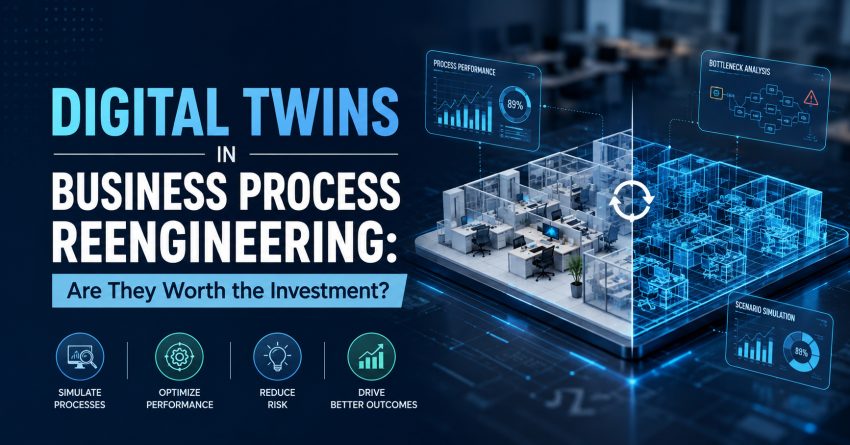
Digital Twins in Business Process Reengineering: Are They Worth the Investment?
Introduction Organizations today are under constant pressure to improve efficiency, reduce operational risks, and adapt to changing market demands. Traditional methods of process improvement often rely on assumptions or historical data, making it difficult to predict the impact of changes accurately. This is where digital twins are making a significant difference. By creating a virtual…
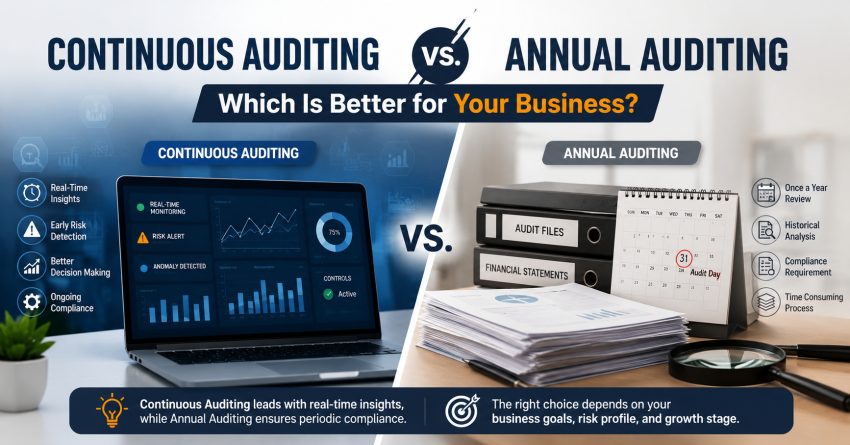
Continuous Auditing vs. Annual Auditing: Which Is Better for Your Business?
Introduction Each business entity irrespective of its size and sector requires a dependable mechanism for controlling the finances and mitigating any risks involved. Auditing serves a critical part in accomplishing all these requirements. But at times, many businesses find themselves torn apart over the issue of choosing between continuous audit and annual audit. Both have…
IPO Readiness in 2026: How Technology Is Changing Public Listings
As companies prepare for public listings in 2026, technology is becoming a critical factor in IPO readiness. Investors and regulators increasingly expect businesses to demonstrate strong financial reporting, robust governance, effective compliance, and reliable internal controls supported by modern digital systems. By adopting advanced technologies early, organizations can improve operational efficiency, strengthen transparency, and build…
Carbon Credit Market in India: Opportunities and Challenges for Businesses
An Introduction to the Developing Carbon Credit Market in India As India advances its climate commitments and sustainability goals, the carbon credit market is emerging as an important mechanism for reducing greenhouse gas emissions while creating new business opportunities. Through initiatives such as the Indian Carbon Market (ICM) and the Carbon Credit Trading Scheme (CCTS),…