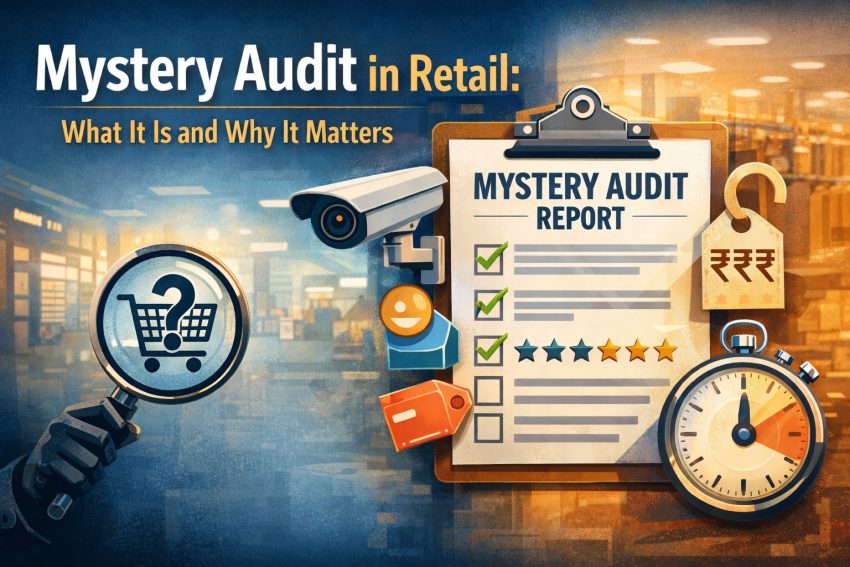
In the highly competitive retail industry, customer experience has become the ultimate differentiator. While retailers invest heavily in store design, product display, staff training, and promotions, they still need an unbiased way to measure how these efforts translate into real customer interactions. This is where mystery audits play a crucial role. A mystery audit is a structured evaluation method in which trained individuals—known as mystery shoppers—visit stores anonymously to assess service quality, compliance, and overall customer experience. It provides retailers with authentic insights into their strengths, weaknesses, and areas that need improvement.
Understanding Mystery Audits in Retail
A mystery audit (also known as mystery shopping) refers to the organized practice in which retailers solicit the services of external auditors to shop in the store as ordinary customers. These auditors monitor, scrutinize, and report on any of the operations of the store without stating what they really plan to do.
The aim is not complicated: to comprehend the actual shopping process through the eyes of a customer. As the store staff members are not aware of who the mystery shopper is, they behave spontaneously providing retailers with the true image of real service delivery and store performance.
What Do Mystery Audits Evaluate?
Mystery audits cover a wide range of aspects critical to retail performance. These may include:
Customer Service Quality
The auditors assess the level of friendliness, understanding and responsiveness of the staff. This involves warm reception, support given, team-building skills, and capability to ease customer concerns.
Store Cleanliness and Ambience
Customer satisfaction depends on cleanliness, lighting, product display, music and store atmosphere among others, to a large extent.
Product Knowledge and Availability
Mystery shoppers will be used to check on the knowledge of the employees on the product features, prices, offers and availability. They also make sure that shelves are stocked and arranged.
Billing and Checkout Efficiency
Delaying or long queues may frustrate customers. Auditors verify the ease of the billing process and the adherence of the staff to the correct practice.
Policy Compliance
Retailers have guidelines for staff behavior, hygiene, safety, and promotional communication. A mystery audit ensures these standards are followed consistently.
Brand Experience
Auditors analyze whether the store is achieving the brand image promise it makes, be it luxury, convenience, affordability and friendliness to customers.
Why Mystery Audits Matter for Retailers
Provides Real Customer Perspective
In contrast to in-house audits, mystery audits reflect the actual, objective customer experience- pointing at the problems that can be ignored by the managers of the stores.
Identifies Gaps in Training
The insights assist the retailers to know in which areas the staff requires further training be it on the product, hospitality, or selling skills.
Improvements in Consistency Across Stores
In case of retailers having more than one branch, mystery audits will make sure that each branch has the same quality.
Enhances Customer Satisfaction
With the solution to audit findings, retailers would be able to establish a smooth and pleasurable shopping experience.
Drives Operational Excellence
Mystery audits identify areas of inefficiencies and indicate areas where there are gaps in processes, policies or systems that require enhancement.
Conclusion
The mystery audit in retail is the necessary instrument that can be used to assess the instantaneous performance, enhance customer satisfaction, and improve brand credibility. Having assessed stores through the eyes of the customer, retailers will have more insightful feedback that will allow them to improve service delivery, streamline operations, and keep pace with the constantly changing retail environment. In conclusion, mystery audits make observations into business enhancements, and therefore, it is a major contributor to business success.
Also Read: Retail Audits: A Key to Consistent Store Performance