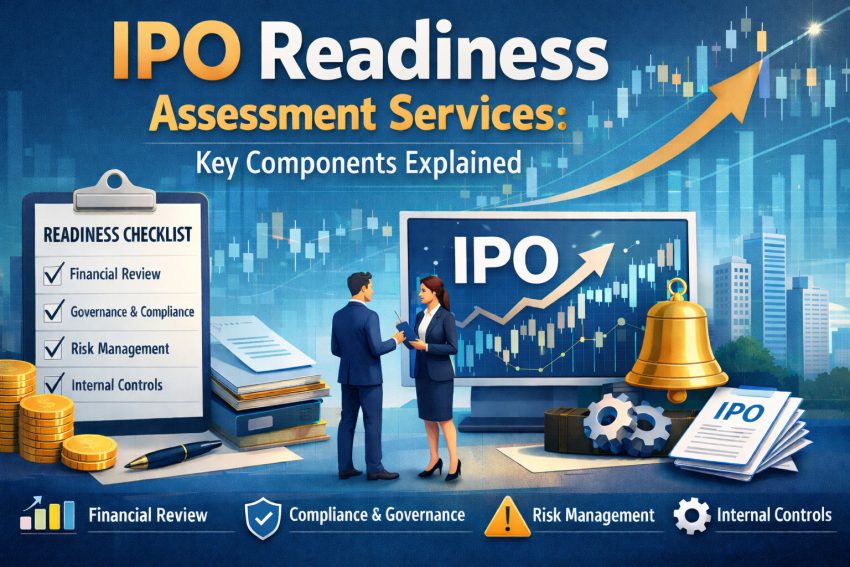
Another milestone in the growth path of a company that is the most transitional one is preparing an Initial Public Offering (IPO). Although access to capital, increased credibility, and scale over a long period are significant benefits of going public, it is associated with high levels of regulatory oversight and stakeholder pressures. IPO readiness assessment…
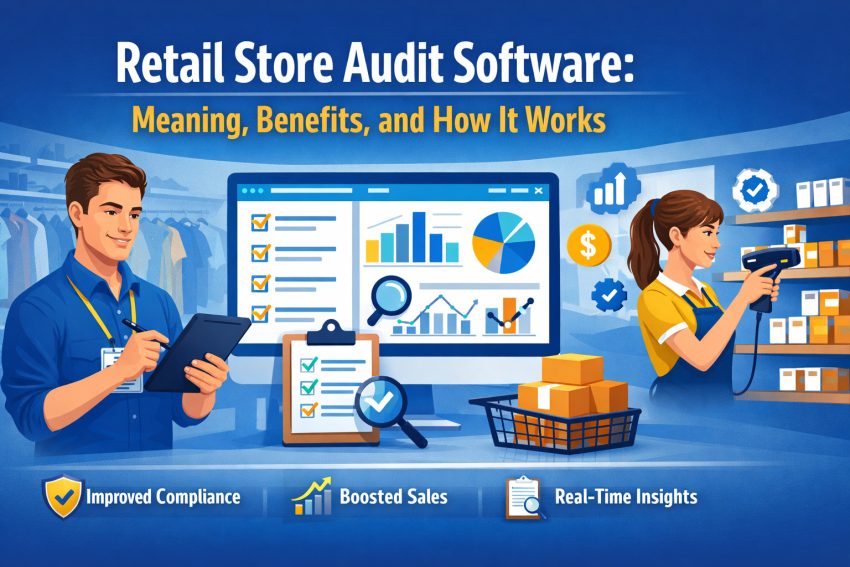
Retail Store Audit Software: Meaning, Benefits, and How It Works
In the highly competitive retail industry, maintaining operational consistency, compliance, and accuracy across multiple store locations is a constant challenge. Retail businesses must ensure that every outlet follows standard operating procedures, maintains accurate inventory records, and delivers uniform customer experience. This is where retail store audit software becomes an essential tool for modern retail management….
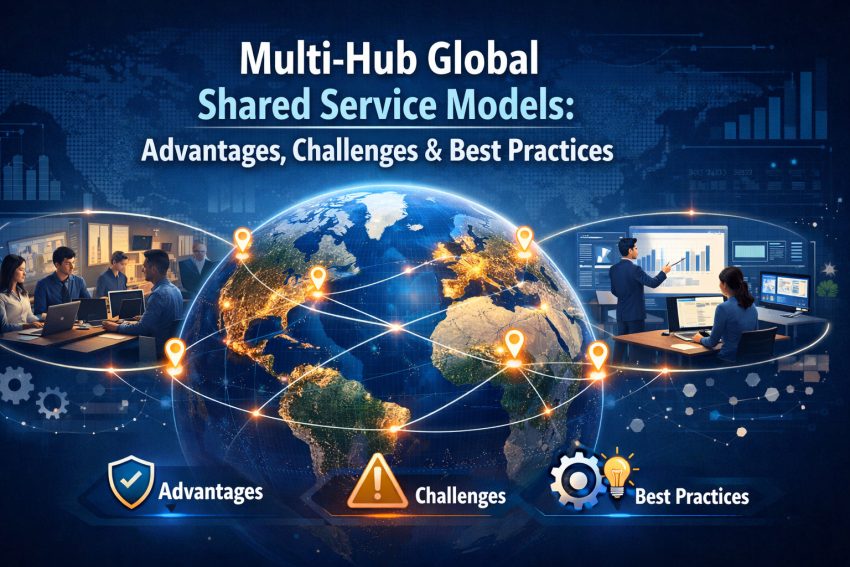
Multi-Hub Global Shared Service Models: Advantages, Challenges & Best Practices
Shared service models are becoming popular with global organizations to make their operations smoother, less expensive and efficient. But as the business expands and diversifies in the markets, the conventional one-hub shared service model may not be effective in supporting the needs of an international business. Here, multi-hub global shared services model enters into the…
ERP Services to Centralize and Optimize Business Operations
Enterprise Resource Planning services play a vital role in helping organizations manage and integrate their core business processes through a unified system. In today’s competitive and data-driven business environment, companies need real-time visibility, operational efficiency, and seamless coordination across departments. Enterprise Resource Planning services provide a structured approach to achieving these goals by centralizing information…
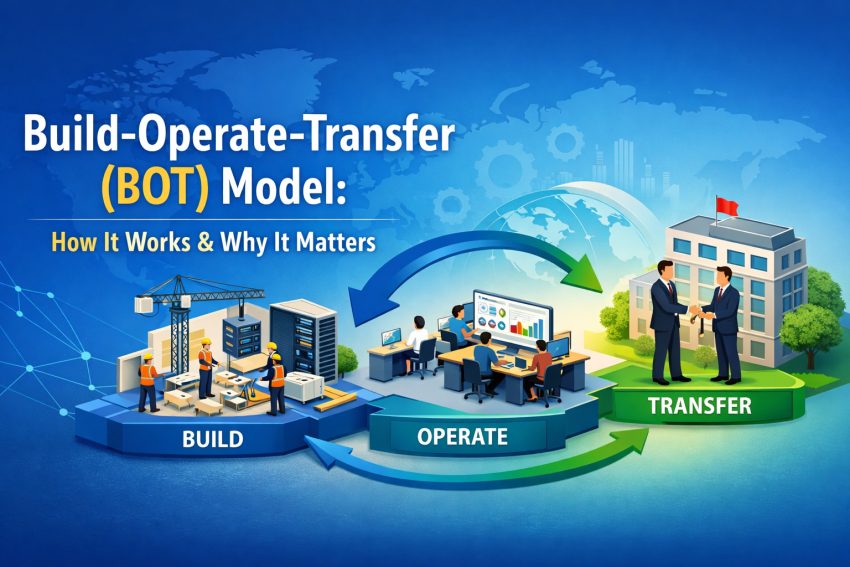
Build-Operate-Transfer (BOT) Model: How It Works & Why It Matters
The Build-Operate-Transfer (BOT) model is a widely used project financing and implementation framework, especially in large-scale infrastructure development. Governments across the world adopt this model to encourage private sector participation in public infrastructure while reducing financial and operational burdens. Understanding the BOT model is essential for policymakers, investors, infrastructure developers, and students of finance and…
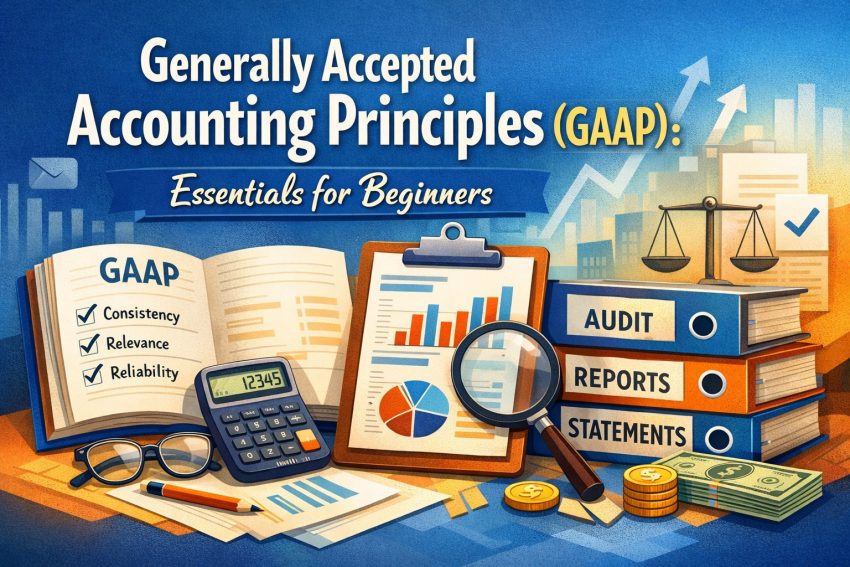
Generally Accepted Accounting Principles (GAAP): Essentials for Beginners
The foundation of any business is accounting, and the center of accounting is a standardized set of principles that is referred to as Generally Accepted Accounting Principles (GAAP). For a beginner, it is important to understand the concept of GAAP to determine how financial information is recorded, reported and interpreted among organizations. This guide defines…
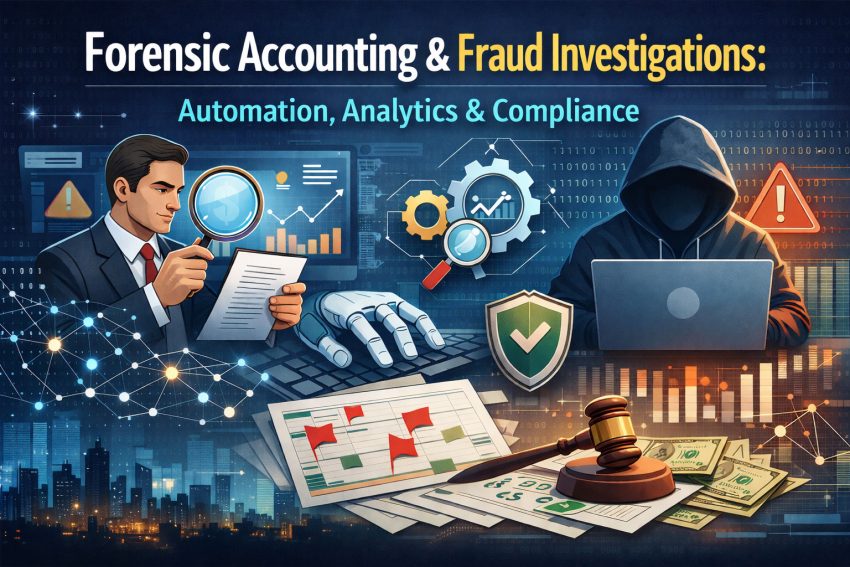
Forensic Accounting & Fraud Investigations: Automation, Analytics & Compliance
In today’s fast-paced and data-driven business environment, financial fraud has become more complex and harder to detect. Traditional investigation methods are no longer sufficient to uncover sophisticated schemes involving digital transactions, layered accounts, and cross-border operations. This has led to a significant transformation in forensic accounting and fraud investigations, where technology, analytics, and regulatory developments…
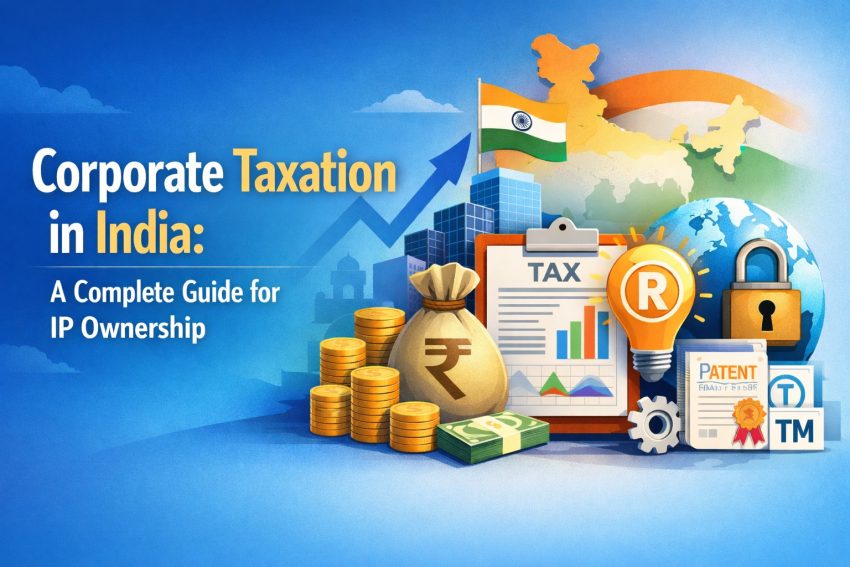
Corporate Taxation in India: A Complete Guide for IP Ownership
In the modern business world, Intellectual Property (IP) is now among the strongest assets that a business may have. Intellectual Property adds value directly to competitiveness, innovation, and creation of value whether through patents, trademarks, copyrights, software, technical know-how, or in form of design. Nevertheless, strategic advantages are accompanied by crucial taxation issues regarding IP…
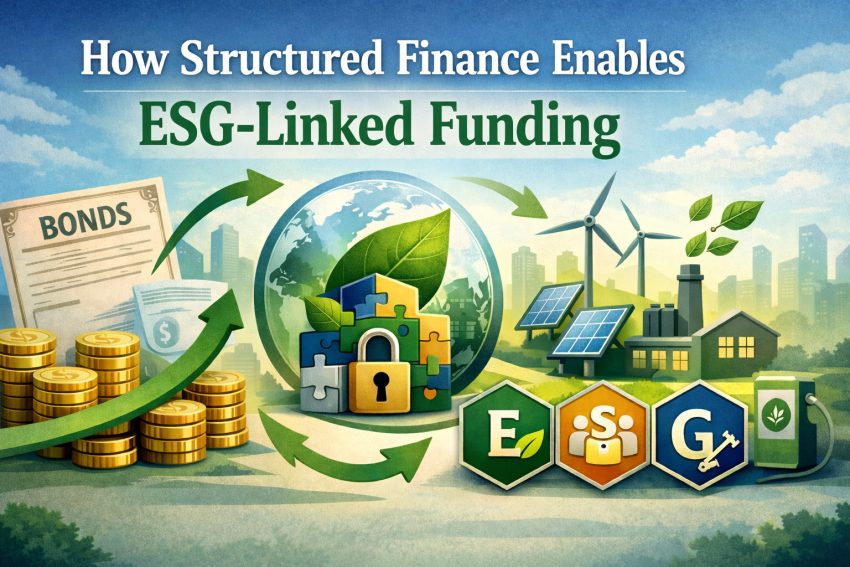
How Structured Finance Enables ESG-Linked Funding
ESG objectives have become a core business strategy. Investors, regulators, and consumers want companies to be responsible and demonstrate their evident advance toward sustainability. Constructing clean energy systems, enhancing workplace conditions, or achieving environmental goals, however, can cost a lot of money. Structured finance management comes in significantly here. It assists companies to develop financial…
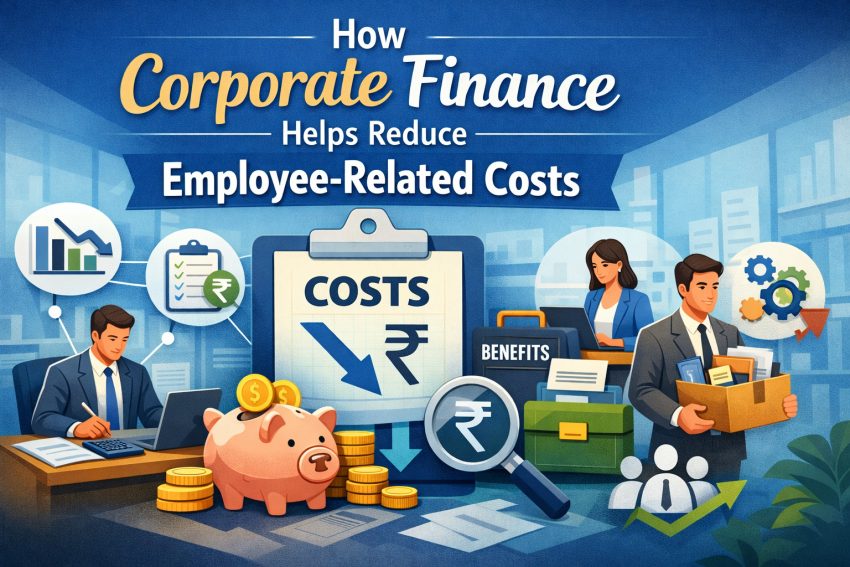
How Corporate Finance Helps Reduce Employee-Related Costs
Employee-related expenses are a part of the largest costs of any business. Salaries, benefits, allowances, training, overtime and hiring alone constitute a significant part of the monthly budget of the company. Otherwise, these costs increase unnoticed and influence profitability. Corporate finance and financial management have a strong, albeit backstage role here. They assist organizations in…